As a seasoned provider of steel pipe production lines, I’ve witnessed the evolution and transformation of this industry firsthand. Over the years, the demand for high-end steel pipes has soared, driven by various sectors such as oil and gas, construction, automotive, and infrastructure development. In response, the characteristics of high-end steel pipe production lines have become increasingly sophisticated and specialized. In this blog post, I’ll delve into the key features that distinguish a high-end steel pipe production line from its counterparts. Steel Pipe Production Line
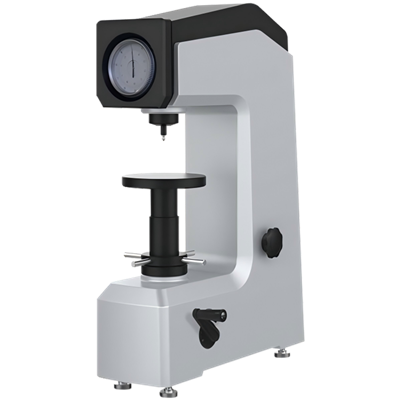
Precision Engineering and High-Quality Components
At the heart of a high-end steel pipe production line lies precision engineering. Every component, from the raw material handling equipment to the final inspection systems, is designed and manufactured to the highest standards. Precision is crucial in ensuring the dimensional accuracy and quality of the steel pipes produced. High-end production lines are equipped with state-of-the-art machinery that can achieve tight tolerances, resulting in pipes with consistent wall thickness, diameter, and straightness.
For example, the tube mill, which is the core of the production line, is engineered to provide precise control over the forming and welding processes. Advanced servo motors and hydraulic systems are used to adjust the roll positions and welding parameters in real-time, ensuring optimal performance and product quality. Additionally, high-quality components such as bearings, gears, and seals are used throughout the production line to minimize wear and tear and ensure long-term reliability.
Advanced Automation and Control Systems
Automation is another defining characteristic of high-end steel pipe production lines. These lines are equipped with advanced control systems that can monitor and regulate every aspect of the production process, from raw material feeding to finished product packaging. Automation not only improves productivity and efficiency but also reduces the risk of human error and ensures consistent product quality.
One of the key benefits of automation is the ability to integrate different processes seamlessly. For instance, the raw material handling system can be automated to feed the correct amount of steel coils or billets into the tube mill at the right time. The welding process can be controlled by a computerized system that adjusts the welding parameters based on the pipe diameter, wall thickness, and material type. The finished pipes can then be automatically cut to length, inspected for defects, and packaged for shipment.
In addition to process automation, high-end production lines also feature advanced quality control systems. These systems use non-destructive testing techniques such as ultrasonic testing, magnetic particle testing, and X-ray inspection to detect any defects or imperfections in the pipes. The test results are then analyzed by a computerized system, which can automatically reject any pipes that do not meet the specified quality standards.
Flexibility and Customization
In today’s competitive market, customers often require steel pipes that are tailored to their specific needs. A high-end steel pipe production line should be designed to offer flexibility and customization options to meet these requirements. This includes the ability to produce pipes of different sizes, shapes, and materials, as well as the option to add special features such as coatings or linings.
To achieve flexibility, high-end production lines are equipped with modular components that can be easily reconfigured or replaced. For example, the tube mill can be adjusted to produce pipes with different diameters and wall thicknesses by changing the roll sets. The welding equipment can be modified to accommodate different welding processes, such as submerged arc welding or high-frequency induction welding. Additionally, the production line can be integrated with secondary processing equipment, such as heat treatment furnaces or coating machines, to add value to the finished pipes.
Customization also extends to the production process itself. High-end production lines are designed to be easy to program and operate, allowing operators to quickly change the production parameters to meet the customer’s specifications. This reduces downtime and improves efficiency, making it possible to produce small batches of customized pipes without sacrificing quality or productivity.
Energy Efficiency and Environmental Sustainability
In recent years, there has been a growing emphasis on energy efficiency and environmental sustainability in the manufacturing industry. High-end steel pipe production lines are no exception. These lines are designed to minimize energy consumption and reduce environmental impact through the use of advanced technologies and practices.
One of the key ways to improve energy efficiency is through the use of energy-efficient motors and drives. These components are designed to reduce energy consumption by up to 30% compared to traditional motors and drives. Additionally, high-end production lines are equipped with heat recovery systems that can capture and reuse the heat generated during the welding and cooling processes. This not only reduces energy consumption but also improves the overall efficiency of the production line.
Environmental sustainability is also a major consideration in the design of high-end steel pipe production lines. These lines are equipped with advanced pollution control systems that can reduce emissions of pollutants such as particulate matter, sulfur dioxide, and nitrogen oxides. Additionally, the production process is designed to minimize waste generation and maximize the reuse of materials. For example, the scrap metal generated during the production process can be recycled and used as raw material for future production runs.
High-Speed Production and Productivity
In today’s fast-paced business environment, productivity is key. A high-end steel pipe production line should be able to produce high-quality steel pipes at a high speed to meet the market demand. This requires the use of advanced technologies and equipment that can operate at high speeds without sacrificing quality or reliability.
One of the key factors that contribute to high-speed production is the use of continuous production processes. High-end production lines are designed to operate continuously, with minimal downtime for maintenance and changeovers. This allows them to produce a large volume of steel pipes in a short period of time. Additionally, the use of advanced automation and control systems ensures that the production process is optimized for maximum efficiency, further increasing productivity.
Another factor that contributes to high-speed production is the use of high-quality raw materials. High-end production lines are designed to process high-quality steel coils or billets that have been carefully selected for their strength, ductility, and weldability. This ensures that the pipes produced are of the highest quality and can be produced at a high speed without the risk of defects or failures.
Comprehensive After-Sales Service and Technical Support
Finally, a high-end steel pipe production line should be backed by comprehensive after-sales service and technical support. This includes installation, commissioning, training, maintenance, and repair services. A reliable after-sales service provider can ensure that the production line operates at peak performance and minimizes downtime, maximizing the return on investment for the customer.
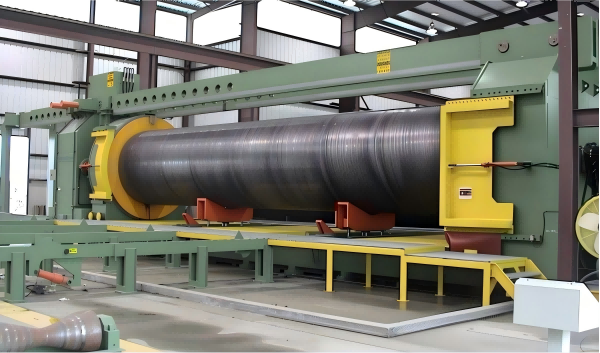
In addition to traditional after-sales services, high-end production line suppliers also offer remote monitoring and diagnostic services. These services allow the supplier to monitor the performance of the production line in real-time and identify any potential issues before they become major problems. This proactive approach to maintenance can help to prevent costly breakdowns and ensure the long-term reliability of the production line.
Steel Pipe Production Line In conclusion, a high-end steel pipe production line is characterized by precision engineering, advanced automation, flexibility, energy efficiency, high-speed production, and comprehensive after-sales service. By investing in a high-end production line, steel pipe manufacturers can improve their productivity, quality, and competitiveness in the global market. If you’re in the market for a steel pipe production line, I encourage you to contact us to discuss your specific requirements. Our team of experts can help you select the right production line for your needs and provide you with the support and service you need to ensure its success.
References
- ASME Boiler and Pressure Vessel Code.
- API Specification 5L.
- ISO 9001:2015 Quality Management Systems.
- ASTM International Standards for Steel Pipes.
Tianjin Binhai Yashanway Import and Export Co., Ltd.
Tianjin Binhai Yashanway Import and Export Co., Ltd. is one of the most reliable steel pipe production line manufacturers and suppliers in China, also supports customized service with low price. Welcome to wholesale bulk steel pipe production line made in China here from our factory. Contact us for quotation.
Address: B-508, Xiangnian Plaza, Dongjiang Road, Hexi District, Tianjin, China
E-mail: crystal@yashanway.com
WebSite: https://www.yashanway.com/
