As a supplier operating under the "By Port" shipping model, labor strikes are an unwelcome yet inevitable challenge that can disrupt the smooth flow of goods and cause significant delays in the supply chain. In this blog, I’ll share my experiences and strategies on how to handle labor strikes when shipping by port, offering practical insights for fellow suppliers and industry stakeholders. By Port
Understanding the Impact of Labor Strikes on By Port Shipping
When a labor strike occurs at a port, it can have a cascading effect on the entire shipping process. Longshoremen, who are responsible for loading and unloading cargo from ships, are often at the center of these strikes. Their work stoppages can lead to a backlog of vessels waiting to dock, causing congestion in the port and delaying the movement of goods. This not only affects the timely delivery of products but also incurs additional costs for storage, demurrage, and detention.
For suppliers like me, labor strikes can mean lost sales opportunities, damaged customer relationships, and increased operational expenses. The uncertainty surrounding the duration of a strike makes it challenging to plan and manage inventory effectively, leading to potential shortages or overstocking of products. Moreover, the disruption in the supply chain can have a ripple effect on the entire industry, impacting manufacturers, distributors, and retailers alike.
Strategies for Dealing with Labor Strikes
1. Stay Informed and Monitor the Situation
One of the most crucial steps in dealing with labor strikes is to stay informed about the latest developments at the ports. I make it a point to closely monitor news sources, industry publications, and port authorities’ announcements to stay ahead of any potential labor disputes. By keeping a finger on the pulse of the situation, I can anticipate disruptions and take proactive measures to minimize their impact on my business.
In addition to external sources, I also maintain regular communication with my shipping partners, freight forwarders, and customs brokers. They often have valuable insights and real-time information about the port conditions, which can help me make informed decisions about my shipments. By establishing strong relationships with these partners, I can rely on them to provide timely updates and guidance during challenging times.
2. Diversify Your Shipping Routes and Ports
To reduce the risk of being severely affected by a labor strike at a particular port, I have diversified my shipping routes and ports of call. Instead of relying on a single port for all my shipments, I work with multiple ports in different regions. This allows me to quickly reroute my cargo to an alternative port in case of a strike, ensuring that my products can still reach their destination on time.
When selecting alternative ports, I consider factors such as their proximity to my suppliers and customers, their infrastructure and capacity, and their history of labor relations. I also work closely with my shipping partners to evaluate the feasibility and cost-effectiveness of rerouting my shipments. By having a contingency plan in place, I can minimize the disruption caused by labor strikes and maintain the continuity of my business operations.
3. Build Strong Relationships with Your Shipping Partners
During a labor strike, having strong relationships with your shipping partners can make all the difference. I have invested time and effort in building long-term partnerships with reliable carriers, freight forwarders, and customs brokers. These partners understand the challenges I face as a supplier and are willing to work with me to find solutions during difficult times.
In addition to providing support and guidance, my shipping partners also have access to valuable resources and networks that can help me navigate the complexities of the shipping industry. They can assist me in finding alternative shipping options, negotiating favorable rates, and ensuring the smooth clearance of my cargo through customs. By working together as a team, we can overcome the challenges posed by labor strikes and achieve our common goals.
4. Communicate Transparently with Your Customers
Transparency is key when dealing with labor strikes and their impact on your customers. I make it a point to communicate regularly and openly with my customers about the situation at the ports and any potential delays in their orders. By keeping them informed, I can manage their expectations and minimize the risk of dissatisfaction or lost business.
In addition to providing regular updates, I also offer my customers alternative solutions to meet their needs. For example, I may suggest expedited shipping options or offer to split their orders into smaller shipments to ensure that they receive at least some of their products on time. By demonstrating my commitment to their satisfaction, I can build trust and loyalty with my customers and strengthen our business relationships.
5. Review and Update Your Contracts
Labor strikes can have a significant impact on the terms and conditions of your shipping contracts. It is important to review and update your contracts regularly to ensure that they provide adequate protection in the event of a labor dispute. I work closely with my legal team to ensure that my contracts include provisions for force majeure, which can excuse performance in the event of unforeseen circumstances such as labor strikes.
In addition to force majeure provisions, I also negotiate for flexibility in my contracts, such as the ability to reroute my shipments or adjust delivery dates in case of a strike. By having clear and comprehensive contracts in place, I can minimize the risk of disputes with my shipping partners and ensure that my rights and interests are protected.
Conclusion
Labor strikes are an unfortunate reality of the shipping industry, but with the right strategies and preparations, suppliers like me can minimize their impact on our businesses. By staying informed, diversifying our shipping routes, building strong relationships with our partners, communicating transparently with our customers, and reviewing our contracts regularly, we can navigate the challenges posed by labor strikes and ensure the continuity of our supply chains.
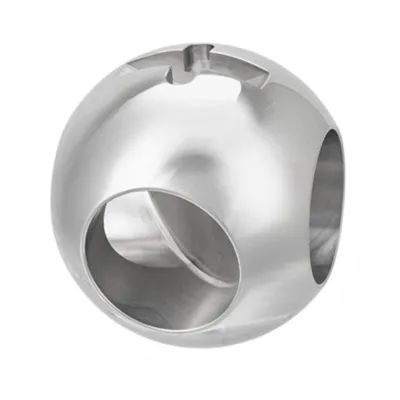
Valve Balls If you’re a buyer looking for a reliable supplier who can handle the challenges of "By Port" shipping, including labor strikes, I’d love to discuss how we can work together. Contact me to start a conversation about your procurement needs and explore how our partnership can benefit your business.
References
- Maritime Labor Disputes: A Guide for Shippers and Carriers. [Publisher Name], [Year of Publication].
- The Impact of Labor Strikes on the Global Supply Chain. [Author’s Name], [Publication Name], [Date of Publication].
- Strategies for Managing Supply Chain Disruptions Caused by Labor Strikes. [Author’s Name], [Publication Name], [Date of Publication].
Zhejiang Jigong Valve Co., Ltd.
Address: Dongou Industrial Park, Oubei Subdistrict, Yongjia County, Wenzhou City, Zhejiang Province (within Zhejiang Yinhe Machinery Manufacturing Co., Ltd.)
E-mail: Sales@cnzjsk.com.cn
WebSite: https://www.ball-china.com/
