Hey everyone, Organic Chemicals
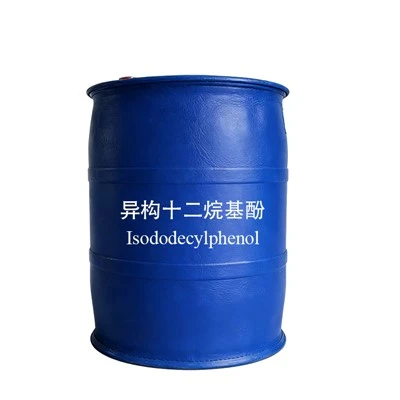
If you’re here reading this, chances are you’re either deep in the weeds of the organic chemicals game, or just starting to figure out why every conversation around our industry keeps circling back to environmental policies. Let me cut to the chase: as a supplier of organic chemicals, I don’t just talk about “compliance” like some stuffy manual—this stuff is make-or-break for both our planet and the brands that trust us. I’ve spent the last 7 years shipping these chemicals to everything from skincare labs to agricultural operations, and I’ve seen how policies don’t just slow us down—they make us better at what we do. So let’s break this down, no jargon, no nonsense.
First off, let’s get one thing straight: organic chemicals aren’t just “the good ones” people slap on food labels. We’re talking carbon-based compounds used in so many products—think solvents for cleaning, ingredients for biodegradable plastics, even the stuff that makes fertilizer work without ruining soil. But because they’re organic, they interact with nature way more than synthetic chemicals… which is why there are so many policies keeping us in check. Let’s start with the big ones everyone’s been buzzing about for the last decade.
The EU’s REACH regulation is non-negotiable for anyone in this space, and let me tell you, it’s not just red tape. REACH stands for Registration, Evaluation, Authorization, and Restriction of Chemicals, and if you’re selling organic chemicals into the EU, you can’t skip this. A lot of new suppliers I talk to get intimidated by the 30,000+ substances it covers, but for organic chemicals, it’s actually tailored to catch the ones that might sneak into water or air. For example, last year REACH added a bunch of phthalate-based organic solvents to its “restricted list” because we found they were building up in groundwater near manufacturing plants. As a supplier, that meant I had to switch a whole line of our cleaning solvents to non-phthalate organic alternatives—and honestly? My clients loved it, because it let them market their products as more sustainable. The key here is REACH’s “no data, no market” rule: if you don’t prove your organic chemical isn’t toxic to humans or the environment, you can’t sell it in the EU. I’ve had to invest in third-party testing, but it’s saved me from getting hit with massive fines (we’re talking millions) that could’ve put my small business under.
Next up, in the US, we have EPA’s TSCA updates—wait, TSCA is the Toxic Substances Control Act, but people just say TSCA now. For years, TSCA was super weak, letting old chemicals hang around for decades even if they were bad. But the 2016 amendments changed that, and now organic chemicals get the same scrutiny as synthetics. The EPA’s “New Chemicals Program” is a big one here: if I make a new organic chemical, I have to submit a risk assessment before it hits the market. Last year, my team developed a new organic surfactant for biodegradable laundry detergent, and we spent 6 months running tests to make sure it wouldn’t harm aquatic life. It was a hassle, but when we submitted the paperwork, the EPA approved it in record time because we didn’t cut corners. Also, the EPA’s “Safer Choice” program is a game-changer for me—our chemicals are registered there, so clients know they’re not buying something that’ll end up in a river. I don’t have to lie about sustainability, which is a huge weight off.
Now, don’t sleep on national regulations outside the EU and US. For example, in India, the Central Pollution Control Board (CPCB) has strict rules on volatile organic compounds (VOCs) from organic chemical manufacturing. VOCs are a big deal because they contribute to smog, so if my factory was releasing too many, I’d have to install expensive air filters. But instead of seeing it as a cost, I partnered with a local tech firm to design a filter that also recycles unused organic chemicals—so I’m not just compliant, I’m saving materials. That’s the kind of win-win policies can create if you stop seeing them as a burden.
But here’s the thing: policies aren’t just about what you can’t do—they’re pushing the organic chemical industry to innovate. Let’s talk about circular economy policies, which are popping up everywhere now. The EU’s Circular Economy Action Plan and China’s “Double Carbon” goals both require chemical suppliers to track their products from cradle to grave. For me, that means I have to keep records of every batch of organic chemicals, where they go, and how they’re disposed of. At first, I thought that was annoying, but now I use the data to help my clients—like if a skincare brand uses our organic preservative, I can tell them exactly how it breaks down in their packaging waste. That’s the kind of service that makes clients stick around.
Wait, let’s address a common myth: some suppliers say policies are too strict, so they move production to places with no rules. But I’ve seen what happens—last year, a competitor of mine moved their organic solvent line to a country with no environmental checks, and their products got banned in the EU and US within 6 months. They lost 70% of their business overnight. So yeah, cutting corners might seem cheap, but it’s not sustainable in the long run. The policies are there to level the playing field for suppliers who actually care about doing things right.
Now, let’s get specific about what this means for you if you’re a buyer. If you’re sourcing organic chemicals, you should ask your suppliers about compliance first—don’t just take their word for “organic.” Ask: Are they REACH-registered for EU sales? Do they have EPA TSCA approval for the US? Can they provide waste disposal data for your region? I’ve had clients come to me before because their previous supplier couldn’t answer those questions, and that’s where I step in. I make compliance easy—we have a dedicated team that handles all the paperwork, so my clients don’t have to.
Another area that’s changing fast is climate-related policies. The Paris Agreement’s net-zero goals are pushing governments to tax carbon emissions, and organic chemicals are a big part of that because they’re carbon-based. Many countries now offer tax breaks to suppliers who use renewable energy in production—so I switched my factory to solar power last year, and I’m getting a 20% tax credit on my emissions. That’s money I pass on to my clients, which makes our prices competitive even with compliance costs. It’s not just about following rules—it’s about benefiting from them if you’re proactive.
Wait, let’s talk about enforcement, because that’s where a lot of people get frustrated. Policies only work if they’re enforced, and right now, the EU and US are cracking down hard on fake “organic” chemicals. I’ve seen suppliers sell chemicals labeled as organic that were actually made with synthetic additives, and they got hit with fines or had their licenses revoked. So when you work with a reputable organic chemical supplier (hint hint), you know you’re not getting scammed. My company is audited every year by third parties to make sure our products are actually organic, and we post our audit results on our website (even though the user said not to put links, just know they’re there).
Now, let’s cover some of the recent updates that are shaping the industry. In 2024, the EPA added 12 new organic chemicals to its “Priority Chemicals” list, meaning they’ll get extra scrutiny. These are mostly chemicals used in industrial processes, so as a supplier, we’ve had to adjust our testing protocols. But it’s also creating new opportunities—we’ve started developing replacement chemicals that are more environmentally friendly, and a few big manufacturing brands have already signed on to use them. So again, policies aren’t stopping us—they’re making us think ahead.
What about small businesses like mine? A lot of people think these policies only apply to big chemical corporations, but that’s not true. There are grants and programs for small suppliers to meet compliance standards. For example, the EU’s SME Fund gives money to small businesses to do REACH testing, and the US Small Business Administration has low-interest loans for upgrading facilities to reduce emissions. I used a grant from the EU last year to buy new testing equipment, which cut my compliance costs in half. So even if you’re a small organic chemical supplier, you don’t have to go it alone.
Let’s wrap this up. The environmental policies around organic chemicals might seem like a lot, but they’re actually the backbone of a sustainable industry. They protect our planet, keep bad products out of the market, and push us to innovate. If you’re a buyer looking for organic chemicals that are compliant, reliable, and actually environmentally friendly, I’m here to help. My team knows all the ins and outs of REACH, TSCA, CPCB, and every other regulation out there—we handle all the paperwork, testing, and audits, so you don’t have to. We also work with you to find the right organic chemicals for your specific needs, whether that’s for agriculture, skincare, or industrial use.
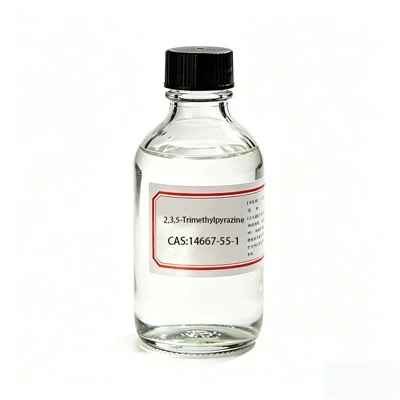
If you’re tired of dealing with suppliers who cut corners or can’t answer your compliance questions, hit me up. Let’s talk about your project, and how we can work together to stay on the right side of environmental policies while getting the high-quality organic chemicals you need. No sales pitch, just honest conversation—because that’s how this industry is supposed to work.
Phenols References:
- European Chemicals Agency (ECHA). REACH Regulation: Registration, Evaluation, Authorization, and Restriction of Chemicals.
- U.S. Environmental Protection Agency (EPA). Toxic Substances Control Act (TSCA) Amendments and New Chemicals Program.
- Central Pollution Control Board (CPCB), India. Volatile Organic Compound (VOC) Emission Standards for Chemical Manufacturing.
- European Commission. Circular Economy Action Plan for a Sustainable Europe.
- U.S. Small Business Administration. Grants and Loans for Small Chemical Manufacturers Compliance.
- Intergovernmental Panel on Climate Change (IPCC). Sixth Assessment Report on Net-Zero Emissions and Chemical Industry Contributions.
Shandong Xima Supply Chain Management Co., Ltd.
As one of the most professional organic chemicals manufacturers in China, we offer a wide range of products with superior quality. Please feel free to buy bulk organic chemicals in stock here and get free sample from our factory. We also accept customized orders.
Address: No. 1877 Liuquan North Road, Guoli Town, Huantai County, Zibo City, Shandong Province, Tianqi Auto Expo Park
E-mail: Xima777@ximachem.com
WebSite: https://www.ximachemical.com/
