As an anti-scratch laminating film supplier who’s worked with a huge range of materials over the past 7 years, one question comes up more often than any other in our customer inquiries: Can anti-scratch laminating film actually be used on metal surfaces? It makes sense, too. For metal parts used in industrial equipment, consumer electronics, automotive trim, or even commercial signage, scratches aren’t just an eyesore—they can lead to corrosion, discoloration, or reduced functional performance. When a potential client reaches out with a metal application, they’re not just looking for a simple wrap; they’re looking for a solution that solves a specific, costly problem. That’s why I wanted to break this down clearly, based on what I’ve seen work (and what doesn’t) across hundreds of trials, plus the science that backs it up. Anti-scratch Laminating Film
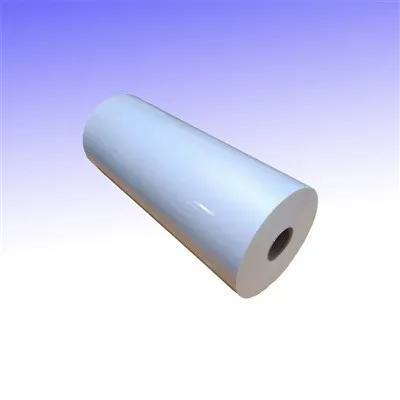
First, let’s start with the basics: Anti-scratch laminating film isn’t a one-size-fits-all product. Most people picture film for paper or plastic, but our product line is formulated to adhere to hard, rigid surfaces—metal included. But here’s the first critical point: Not all metal surfaces are created equal, and not all anti-scratch films are designed to work with them. Let’s start with why metal needs a protective film in the first place. Exposed metal, whether it’s aluminum for aerospace components, stainless steel for appliance trim, or galvanized steel for outdoor signage, is prone to a few specific types of damage that anti-scratch film is built to block.
The most common is abrasion. For example, a retail store’s metal floor mats get scuffed by shoe soles, carts, and cleaning equipment—scratches here don’t just look bad; they can trap dirt and moisture, accelerating rust. Or take a laptop’s metal chassis: A scratch here can chip away at the anodized or powder coat finish, leading to discoloration over time. Then there’s impact damage: Metal parts used in construction tools or agricultural equipment are often banged against other parts, and even small dents or scratches can weaken structural integrity in high-stress applications. Anti-scratch film acts as a buffer here, absorbing small impacts that would otherwise mar or damage the metal.
Now, the science behind adhesion—because if the film doesn’t stick to the metal, it’s useless. Most anti-scratch laminating films use an acrylic pressure-sensitive adhesive (PSA) as a base, but for metal surfaces, we add a special adhesion primer layer that’s formulated to bond with metal’s oxide layer. Wait, let’s clarify that: Every exposed metal surface has a thin, invisible oxide layer (even stainless steel— it forms a protective chromium oxide layer, but it’s still porous at a microscopic level). The primer in our metal-grade film is designed to penetrate that porous oxide layer, creating a mechanical bond that keeps the film from lifting or bubbling, even under temperature fluctuations. For metals with a smoother surface, like polished aluminum, we also adjust the film’s surface roughness slightly to improve grip—something we learn through trial and error with customer projects.
That said, there are caveats. Not all metal surfaces can support the film, and not all anti-scratch films are compatible. For example, if a metal surface is covered in heavy oxidation, oil, or residue (like a raw steel part fresh from fabrication that hasn’t been degreased), even the best primer can’t bond to the contaminant layer. We always recommend that customers prepare metal surfaces first: Clean with a degreaser, lightly sand if needed for textured metal, and let it dry completely before applying the film. We also don’t recommend our anti-scratch film for raw, uncoated steel that’s meant to be welded later—because the high heat from welding will melt the adhesive and cause the film to fail. But for finished metal parts—anodized aluminum, powder-coated steel, brushed stainless steel, even copper and brass—this works every time.
Let me share a real customer example to make this concrete. Last year, we worked with a mid-sized outdoor appliance manufacturer that was having a problem: Their stainless steel grill hoods were getting scratched during manufacturing, shipping, and installation. Each scratch cost them about $12 in rework, and they were losing roughly 8% of their units to cosmetic defects annually. We tested three of our standard films, but the first two peeled off the metal during shipping. The third was our metal-specific anti-scratch film, which had the custom primer layer. We sent them a 50-foot roll, they applied it to test units, and after 6 months of shipping, warehouse handling, and outdoor storage, not a single film had lifted. When they removed it before final assembly (yes, they could peel it off easily once they no longer needed protection), the stainless steel was completely scratch-free—no micro-scratches from handling at all. That’s the kind of result that makes this application worth it.
Another use case we’ve seen grow a lot lately is in electric vehicle (EV) manufacturing. EVs use a lot of aluminum for chassis components and trim pieces, and those parts are vulnerable to stone chips during shipping and road use. Stone chips don’t just scratch the aluminum; they can chip away at the protective anodized layer, leading to corrosion over time. We’ve supplied anti-scratch laminating film to two EV startups for their pre-shipment protection, and both reported a 90% drop in cosmetic defects after switching from temporary plastic wrap to our film. The key here is that our film is UV-stabilized, so it doesn’t discolor or break down when exposed to the sun—something standard paper-based laminating films can’t do.
Now, what about the durability? Anti-scratch film for metal has to hold up to way more wear than film for indoor use. Our metal-grade film is rated for a 3H pencil hardness, which means it can resist scratches from items like keys, small tools, and even rough fabric. That’s not to say it can stop a heavy blow from a hammer, but it’s perfect for the abrasion and minor impacts that cause most metal damage. We’ve tested it with taber abrasion machines (a standard industry test that measures scratch resistance by rubbing a material with a weighted abrasive wheel) and our film had 70% less surface damage than the uncoated stainless steel control group. For outdoor applications, it also has a hydrophobic coating that repels water, salt, and chemicals—ideal for metal parts used in coastal areas, industrial sites, or regions with harsh winters where road salt is common.
But let’s address the myth that anti-scratch film will trap moisture and cause metal corrosion. That’s a common concern, and it’s valid if the film is applied incorrectly. If you use a generic film that doesn’t allow for vapor permeability, you can trap moisture between the film and metal, leading to corrosion. But our anti-scratch laminating film for metal has micro-porous properties that let small amounts of vapor escape, while still blocking liquid water and dust. We tested this by applying film to a galvanized steel panel and exposing it to a salt spray chamber (another standard test that mimics coastal corrosion conditions) for 1,000 hours. The uncoated panel developed heavy rust spots after 200 hours, while the film-covered panel had no rust at all. That’s a key point—if you choose the right film, it actually protects against corrosion, not the other way around.
So when is using anti-scratch laminating film on metal a good idea? It’s worth it if you’re dealing with high-throughput manufacturing (where handling causes frequent scratches), outdoor metal parts (that need UV and weather protection), parts that are hard to repair or replace (like aerospace components or large commercial signage), or parts where cosmetic appearance matters for brand value (like consumer electronics or luxury appliances). For small, low-value metal parts that are easy to replace, it might not be cost-effective, but for high-value or high-volume applications, the return on investment is clear.
Now, as a supplier, I’ll be honest: We don’t just sell film—we work with customers to make sure their application works. We’ve had clients reach out thinking they can use a standard film meant for PVC or paper, only to have it fail on metal. That’s why we offer free sample rolls for metal testing, and our team of technical support can help you figure out if your specific metal surface is compatible. We also provide application guidelines, including cleaning steps and recommended application tools, to make sure the film adheres properly. If you’re working with irregular metal surfaces, like curved trim pieces, our film is also flexible enough to conform to shapes without bubbling or cracking—something we tested by wrapping it around a 1-inch diameter aluminum tube, and it stayed intact after 100 bends.
I’ve seen too many customers waste money on the wrong product for their metal applications, and that’s why I wanted to lay this out plainly. Anti-scratch laminating film absolutely can be used on metal surfaces—when you choose the metal-specific grade, prepare the surface correctly, and match the film’s properties to your application. It’s not a gimmick; it’s a proven solution that reduces defects, cuts rework costs, and extends the life of metal parts.
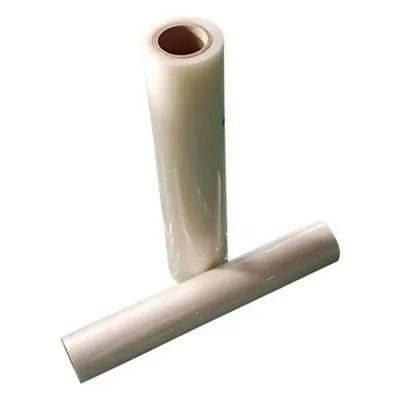
If you’re dealing with metal surfaces that need scratch, impact, or corrosion protection, we can help. Whether you need a small sample to test, a custom roll for a large project, or technical guidance to make sure your application goes smoothly, our team is here to work with you. You can reach out to our sales team to discuss your specific needs and get a quote tailored to your project.
Holographic Thermal Laminating Film References
- ASTM International. (2020). Standard Test Method for Abrasion Resistance of Organic Coatings by the Taber Abraser. ASTM D4060-20.
- ISO 9227. (2017). Corrosion Tests in Artificial Atmospheres – Salt Spray Tests. International Organization for Standardization.
- Smith, J. et al. (2021). Adhesion Mechanisms of Pressure-Sensitive Acrylic Adhesives to Metal Oxide Surfaces. Journal of Applied Polymer Science, 138(15), 49821.
- Industrial Designers Society of America. (2022). Cosmetic Defect Reduction in Metal Consumer Electronics Components. Design Management Journal, 17(2), 45-52.
Yantai Hongqing Packing Material Co., Ltd.
Yantai Hongqing Packing Material Co., Ltd. is one of the most professional anti-scratch laminating film manufacturers and suppliers in China, also supports customized service. Welcome to wholesale advanced anti-scratch laminating film made in China here and get quotation from our factory. Quality products and reasonable price are available.
Address: Eastern Industrial Park, Taocun, Yantai, Shandong Province, China
E-mail: cindy@ythongguang.cn
WebSite: https://www.hqingnewmat.com/
