Hey everyone, thanks for stopping by—if you’ve ever wandered around a construction site, a hardware store, or even tiled a bathroom, you’ve probably seen fiberglass mesh without even realizing it. I’ve been in the fiberglass mesh game for over 10 years now, as a supplier, and I still run into people who ask, “Wait, what even is that stuff, and what’s it actually used for?” It’s not just some random construction material—it’s the unsung hero of so many projects, big and small. Today I’m breaking down all the ways we use fiberglass mesh, no stuffy jargon, just real talk from someone who’s shipped more rolls of the stuff than I can count. Fiberglass Mesh
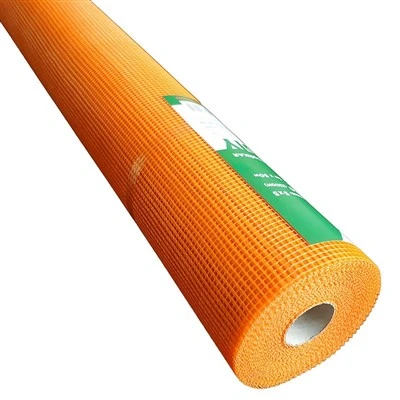
First off, let’s get the basics out of the way, super simple: fiberglass mesh is basically woven glass fibers, treated with a special coating (usually something like acrylic or PVC, depending on the use) to make it water-resistant, tear-proof, and able to handle heat. It’s way lighter than metal mesh, doesn’t rust, and stretches less than regular fabric—perfect for almost any job that needs a little extra “hold.” I see people mix it up with other mesh all the time, so the key takeaway here is: it’s glass, not plastic, not metal. That core fiber is what makes it durable for literally everything we’re going to talk about.
Let’s start with the biggest use, and the one most of our customers call us for daily: drywall and plaster work. If you’ve ever had a wall patched, or seen someone mud and tape drywall, that thin, self-adhesive mesh tape they lay down over the seams? 9 times out of 10, that’s fiberglass mesh. But it’s not just the tiny rolls of seam tape—we also supply the larger, heavier-weight mesh for scratch coats and base coats on plaster walls. Here’s the thing about drywall seams: if you just mud over them, they’ll crack in like a year, especially in places with temperature changes or high humidity. The mesh acts like a “reinforcement bridge” between two pieces of drywall, so the mud stretches with the wall, not against it. Last month we had a contractor call in a panic—his crew had used paper tape on a big commercial apartment building, and every seam was cracking before the paint even went on. We shipped out 50 rolls of our 160g/m² alkali-resistant fiberglass mesh, and he texted me a week later saying he hadn’t had a single issue since. That’s the stuff’s superpower, right? It prevents cracks before they even start.
Next up, tiling and stone work—bathrooms, kitchens, outdoor patios, you name it. How many times have you seen a tile floor that’s started to peel or crack, or a shower wall where the grout’s chipped? 90% of the time, it’s because the underlayment didn’t have enough reinforcement. Fiberglass mesh goes down under the tile backer board, or sometimes right in the thin-set mortar, to stop the whole surface from shifting. For outdoor tile jobs, this is non-negotiable. Concrete patios expand and contract with heat and cold, and the thin-set can only handle so much of that movement. We had a landscaper in Florida order a ton of our UV-stabilized fiberglass mesh last year for a pool deck tile job—he said it’s the only way he guarantees his work for 5 years, no questions. Also, for people doing bathroom wall tile around the shower: mesh goes under the waterproofing membrane, so if there’s ever a tiny leak, the mesh stops the water from spreading behind the wall and causing mold. Way better than just trusting the caulk alone, let’s be real.
Then there’s EIFS—External Insulation and Finish Systems, also called synthetic stucco. I know, it sounds like a fancy industry term, but it’s basically that popular insulated exterior wall finish you see on a lot of new homes and commercial buildings. EIFS is made up of an insulation board, a base coat, and a top finish coat, and the fiberglass mesh is embedded right into that base coat. Why? Because it adds structural strength to the thin stucco layer, prevents cracking from wind and temperature fluctuations, and stops the whole system from delaminating from the building’s walls. We supply a lot of our heavier 160g and 180g mesh for EIFS projects, and most contractors swear by it over metal mesh because it doesn’t rust through the stucco, which can leave ugly brown stains on the side of a house down the line. No one wants a perfect new home with a random brown streak running down it, trust me.
One use a lot of people don’t see coming: roofing and flashing. Specifically, for modified bitumen roofs and built-up roofing (BUR). When you’re installing these types of roofs, you have to seal the seams and areas around vents, pipes, and edges (called flashings) really well, because that’s where leaks start. Fiberglass mesh gets embedded into the hot asphalt or modified bitumen sealant in those seam areas. It adds tensile strength to the sealant, so it doesn’t tear when the roof expands or contracts in the sun, and it creates a continuous barrier that water can’t seep through. We had a small roofing company order a few rolls of our 110g mesh last month for a flat roof repair job—they told me the mesh helped them fix a tricky seam without having to replace a whole section of roof, saving their customer like $2,000. That’s the kind of small, impactful job this stuff does.
Wait, also—don’t sleep on concrete and pavement repair. When you have a concrete driveway, sidewalk, or road that cracks, especially a big, deep crack, you can’t just fill it with caulk and call it done. You have to cut the crack back, clean it out, and insert a strip of fiberglass mesh before filling it with a concrete patching compound. The mesh ties the old concrete to the new patch together, so the patch doesn’t fall out, and prevents the crack from spreading further. We even supply mesh for use in fresh concrete for driveways that tend to crack a lot—we’ve had repeat customers in places with super cold winters, where concrete expands and contracts constantly, say the mesh cuts their crack rate by like 70%. That’s a huge win for homeowners and municipalities alike, no more patching the same driveway every year.
Oh, and one more niche use I love: craft and specialty projects. I know, it sounds random, but a lot of small business owners, DIYers, even artists use fiberglass mesh for stuff like custom planters, mixed media art, even DIY boat repairs. For custom concrete planters, embedding mesh into the wet concrete makes them way less likely to crack when you move them around, and for boat repairs, it acts as a reinforcement layer for fiberglass resin patches. It’s strong, lightweight, and doesn’t add a ton of bulk, which is perfect for small, detailed projects. Last month a local pottery studio ordered a roll of our fine-weave mesh to make custom planter liners that let water drain but keep soil from washing out—genius, right? I never would’ve thought of that, but it makes total sense.
Now, let’s talk about what makes good fiberglass mesh, because not all mesh is created equal. When I’m picking mesh for our customers, I always check three things: the weight (measured in grams per square meter, or g/m²—heavier is usually stronger, but you don’t need the heaviest for every job), the coating (alkali-resistant coatings are non-negotiable for anything touching concrete, plaster, or stucco, because those materials have chemicals that eat regular glass fibers), and UV stability if it’s going to be used outdoors. A lot of cheap mesh out there skips the alkali-resistant coating, so it’ll break down in just a couple years if used for tiling or drywall. We test every batch we get, so our customers never have to worry about that.
If you’re a contractor, a DIYer, or someone working on a project where you need that extra reinforcement, do yourself a favor and don’t cheap out on mesh. We’ve had too many stories of customers buying the $10 roll from the big box store, using it, and coming back upset when it cracked or fell apart. Our fiberglass mesh is made with premium E-glass fibers and the right coatings, so it stands up to whatever you throw at it. We ship nationwide (well, wherever you are, just reach out!) and can get you whatever weight and size you need, whether it’s a 10-foot roll for a small bathroom tile job or a 500-foot roll for a commercial building’s EIFS system.
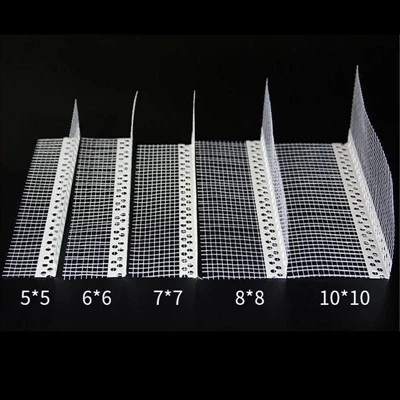
So that’s basically all the main uses of fiberglass mesh—drywall seams, tiling, stucco, roofing, concrete repair, even random craft projects. It’s not the flashiest material, but it’s the one that keeps projects from falling apart, cracking, or leaking down the line. If you’re working on something and aren’t sure if you need fiberglass mesh, just ask—chances are you probably do. Whether you’re a contractor looking to get a bulk order, a DIYer working on a home reno, or someone just curious about this stuff, feel free to reach out to us for all your fiberglass mesh needs. We’re here to help you pick the right product for your job, no pressure, no confusing sales talk.
Fiberglass Tape If you want to learn more about fiberglass mesh properties and industry standards, check out these references:
- Construction Materials Reference Guide, National Association of Home Builders
- Fiberglass Reinforcement Mesh Specifications, American Society for Testing and Materials (ASTM)
- Residential Building Code Requirements for Exterior Wall Systems, International Code Council (ICC)
- Concrete Repair Best Practices, American Concrete Institute (ACI)
Danyang Yonggu Building Materials Co., Ltd.
Danyang Yonggu Building Materials Co., Ltd. is one of the most professional fiberglass mesh manufacturers and suppliers in China, featured by quality products and good price. Please rest assured to wholesale customized fiberglass mesh made in China here from our factory.
Address: Danyang City, Jiangsu Province, P.R. China
E-mail: sales02@cnyongu.com
WebSite: https://www.ygfiberglass.com/
