Hey there, if you’re reading this, chances are you’ve got an electric furnace in your home (or maybe you’re just curious about keeping your heating setup in check) – and let’s be real, there’s nothing worse than waking up to a freezing house in the middle of winter, or getting a sky-high energy bill for no obvious reason. As someone who’s been in the electric furnace game for years now, I’ve seen it all: homeowners ignoring tiny red flags that turn into huge, expensive headaches, and I’m here to save you from that nonsense. Today, I’m breaking down the real, common signs your electric furnace needs repair – no fancy jargon, just stuff I’ve picked up from talking to hundreds of customers and fixing (or replacing) their units. First, let’s get one thing straight: electric furnaces are way more reliable than gas ones for most folks, but they’re not invincible. They run on parts like heating elements, blowers, and control boards that wear out over time, especially if you skip basic maintenance. So let’s dive into the actual signs you shouldn’t sleep on. Electric Furnace
First up, weird smells. I’m not talking about the faint dust scent you get when you fire it up for the first time in fall (that’s just dust burning off the coils, totally normal). If you’re noticing something stronger – like a burning, plastic-y smell, or an acrid, electrical burnt scent – that’s a problem. Think about it: if your furnace is overheating parts, or a loose wire is starting to fray and spark, that smell is your nose screaming “pay attention!” A lot of people brush this off as “it’ll go away,” but here’s the thing: that burnt plastic could mean a bad blower motor or a faulty control board, and if you ignore it, you might end up with a dead furnace mid-blast, or even a safety issue. I had a customer last winter who waited three days to call, and by then her heating element had burned out so bad it melted the wiring harness – that cost her twice as much as a quick repair would’ve. Another smell to watch for: a moldy or musty odor when the furnace kicks on. That’s usually from dirty evaporator coils or clogged drain lines that are growing bacteria, which not only makes your air smell gross but can also reduce airflow and make your furnace work way harder than it needs to.
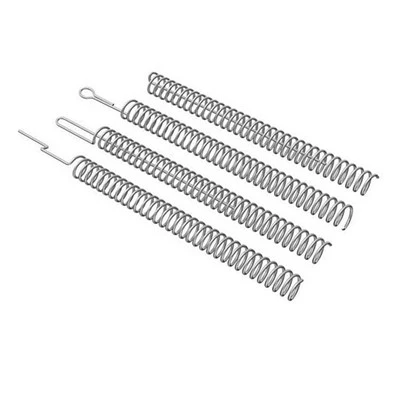
Next, inconsistent heating or hot and cold spots. If you’re walking from your living room to your bedroom and feeling a 10-degree difference in temperature, or your furnace is blowing hot air for 10 minutes, then nothing for a few, that’s not “normal” – that’s a sign something’s off. Electric furnaces are designed to push consistent, even heat throughout your space, so if that’s not happening, it’s rarely just “bad insulation” (though that’s a separate issue, but if you’ve checked your insulation, it’s your furnace). What causes this? Clogged air filters are the most common culprit – wait, no, scratch that – actually, the most common thing I see is a dirty air filter that blocks airflow, which makes the blower motor work overtime and can cause the heating elements to cycle on and off randomly, leading to uneven heat. But if you just changed the filter and still have spots, it could be a faulty sequencer (that’s the part that turns on the heating elements in stages) or a bad blower fan that’s not moving air through the ducts properly. Another angle: if your furnace is running non-stop and still not keeping up with your set temp, that’s a big red flag. You shouldn’t have to blast it all day and still be cold – that means it’s not producing enough heat, which could be from worn heating elements (they lose their efficiency over time, so they don’t get as hot as they used to) or a broken part that’s preventing the elements from turning on fully.
Third, sky-high energy bills with no change in usage. If you’re paying $150 more for electricity this month than last, and you didn’t turn your heat up, have extra people over, or use any other appliances more, that’s a dead giveaway your furnace is running inefficiently. Electric furnaces are pretty energy-efficient to begin with – most modern ones have an AFUE (annual fuel utilization efficiency) rating of 95% or higher, so they should only use as much power as they need to heat your home. When parts start to wear, though, they have to work way harder to do the same job. For example, if your heating elements are corroded or partially burned out, they’ll draw more electricity to try to reach the right temperature, and if your blower motor is struggling to push air, the furnace will cycle on and off more often, wasting energy each time it starts up. I had a customer a couple months back who was confused because her bill went up $200 in one month – turns out her sequencer was bad, so only half the heating elements were working, but the furnace was running full time to compensate, which drove up her usage. That’s the kind of thing that adds up quick, so if your bill spikes for no reason, don’t just blame “inflation” – check your furnace first.
Fourth, weird noises. Listen, all furnaces make a little noise when they run – a low hum is totally fine. But if you’re hearing clanking, rattling, squealing, or popping, that’s not normal, and you should take note. Let’s break it down: a squealing noise when the blower turns on is usually a bad blower motor belt (wait, some newer furnaces have direct-drive blowers, so that could be a bearing going bad in the motor) – that’s a cheap fix if you catch it early, but if you ignore it, the motor will seize up and you’ll have no heat at all. A clanking noise? That could be loose parts inside the furnace cabinet, or even a broken component that’s shifting when the unit runs. Popping noises when the furnace turns off? That’s usually metal ducts expanding and contracting, but if it’s loud and frequent, it might mean there’s a blockage in the ducts or a loose panel inside the furnace that’s vibrating. Another noise to watch for: a buzzing sound that doesn’t stop when the furnace is on. That’s almost always an electrical issue – maybe a loose wire or a faulty contactor (the part that turns power on to the heating elements) – which can be a fire hazard, so don’t mess around with that. I once got a call at 2 a.m. from a customer who heard a buzzing, and when I got there, the contactor was arcing so bad it had charred the side of the control board – that could’ve started a house fire if she’d waited longer.
Fifth, the furnace is aging beyond its prime. Let’s be real – nothing lasts forever, and electric furnaces usually have a lifespan of 15 to 20 years, depending on how well they’re maintained. If your unit is pushing 10 years old and you’re already seeing one or two of the signs above, it’s probably time to start planning for a repair or even a replacement. A lot of people try to keep an old furnace going with patchwork repairs, but if it’s 15 years old, parts might be hard to find, and the repair will end up being more expensive than getting a new, more efficient unit. For example, a 15-year-old furnace that uses 3x more energy than a new one could cost you an extra $1,000 a year in electricity bills – that adds up way faster than the cost of a new unit. That said, age alone isn’t a sign to replace it – but if your old furnace is already showing other signs, don’t drag your feet. You don’t want to be stuck with a furnace that dies in the dead of January, when every contractor is booked solid.
Wait, let’s also talk about something that’s easy to miss: the pilot light (wait, hold on – electric furnaces don’t have pilot lights, duh, that’s gas. My bad. Instead, electric furnaces have indicator lights on the control board. If the indicator lights are flickering, not turning on at all, or showing error codes, that’s a sign. A lot of newer furnaces have digital control boards that flash codes when something’s wrong – like a blink count that means “blower error” or “heating element issue.” If you check your furnace’s manual, it’ll tell you what those codes mean, but if you’re not sure, that’s a good time to call a pro or a supplier like us to look at it. Don’t just ignore a flashing light – that’s the furnace’s way of sending you a text that says “I have a problem.”
Now, let’s clear up a common myth: a lot of people think that if the furnace is blowing air, it’s fine. No way. I’ve had customers whose furnaces were blowing air, but it was only lukewarm, not hot enough, because half the heating elements were broken. So even if it’s turning on, if the air isn’t as hot as it used to be, that’s a sign something’s off.
So, what do you do if you notice any of these signs? First, check the easy stuff: change your air filter (even if you just did it – sometimes filters get clogged faster if you have pets, or a lot of dust). Make sure all the vents in your home are open, not blocked by furniture or rugs. If those don’t fix it, don’t try to fix it yourself unless you’re comfortable with electrical work – electric furnaces have high voltage, which is dangerous if you don’t know what you’re doing. A lot of people try to take apart their furnace and end up making the problem worse, or getting hurt. That’s where we come in.
As a supplier of electric furnaces, we deal with repair issues every single day, and we’re here to help you sort out what’s wrong before it becomes a disaster. Whether you need a quick fix for a blower motor, a new sequencer, or even a whole new unit that’s more efficient, we can walk you through it – no pushy sales, no confusing fine print. We’ve worked with hundreds of homeowners to diagnose their furnace issues, and we know how to keep things transparent and affordable.
Don’t wait until your furnace dies to take action. The small signs you ignore today will turn into big, expensive problems tomorrow. If you’re noticing any of the stuff I talked about here – weird smells, uneven heat, spiking bills, weird noises, or an aging unit – reach out to us to chat about your options. We can help you figure out if a repair is enough, or if it’s time to upgrade to a newer, more reliable electric furnace. Your wallet (and your cozy home) will thank you.
Well Furnace References
- U.S. Department of Energy. “Heating and Cooling Your Home.” Energy.gov, accessed 2024.
- Air Conditioning Contractors of America. “Residential Electric Furnace Maintenance Guide.” ACCA.org, 2023.
- Consumer Reports. “How Long Do Electric Furnaces Last? Signs It’s Time to Repair or Replace.” ConsumerReports.org, 2024.
- National Fire Protection Association. “Electrical Safety in Home Heating Systems.” NFPA.org, 2023.
Danyang Dingfeng Industrial Furnace Co., Ltd.
Danyang Dingfeng Industrial Furnace Co., Ltd. is one of the most experienced electric furnace manufacturers and suppliers in China, also supports customized service with low price. Please feel free to wholesale high quality electric furnace made in China here from our factory. For pricelist, contact us now.
Address: Lizhuang Economic Development Zone, Danyang City
E-mail: saleszk@dffurnace.com
WebSite: https://www.dffurnace.com/
