If you’re running a high-traffic commercial space—say a shopping mall, a stadium, a corporate office tower, or a hospital—chances are you’re using wall-mounted jumbo toilet roll paper dispensers. These units aren’t just convenience fixtures; they’re workhorses designed to cut down on restroom maintenance, reduce paper waste, and keep lines moving during peak hours. But for my team and I, as a supplier of these heavy-duty commercial dispensers, we’ve spent years fielding calls from facility managers, maintenance crews, and building owners dealing with a common headache: these dispensers falling off the wall mid-use, or becoming loose enough to hang crookedly, leak, or even break. Today, I want to pull back the curtain on what it actually takes to keep these jumbo dispensers stable—from the initial install choices we supply to the little maintenance steps that make all the difference. Jumbo Toilet Roll Paper Dispense

Let’s start with the part most people skip at first: the hardware that comes with the dispenser, and choosing the right mounting surface. A few years back, we supplied a set of our top-tier jumbo dispensers to a small regional airport, and three months later, their maintenance supervisor reached out saying two units had shifted on their drywall stalls. We showed up to inspect, and sure enough, they’d used the plastic wall anchors that came with a cheap, off-brand toilet paper holder they’d had on hand for years. Those anchors were never rated for the 20+ pound load a fully loaded jumbo roll (that’s the kind with 1,000+ feet of paper, right?) puts on a dispenser, let alone the constant pull of someone yanking a full roll free.
For our dispensers, we specify high-grade, zinc-plated steel fasteners, not plastic, because steel doesn’t shear or crack under repeated tension. That’s non-negotiable. Next, the mounting surface: drywall is only acceptable here if it’s reinforced with a backing board, like ½-inch cement board or ¼-inch masonry board, especially in commercial spaces where restroom walls get bumped by carts, cleaning supplies, or even overzealous patrons. If you’re mounting on concrete block or cinder block—common in older school buildings or stadiums—you’ll need concrete sleeve anchors, not just generic drywall screws. For brick walls, use lead wall anchors with a threaded bolt, because brick is porous and soft enough that a regular screw will pull out over time. We’ve tested this ourselves: a steel screw in a concrete sleeve anchor can hold up to 150 pounds of steady pull, which is 7 times the weight of a fully loaded jumbo roll. That’s the safety buffer we build our dispenser hardware around, and it’s why we never cut corners on that part of the supply package.
Next, the alignment step that most installers rush through. When we train our certified installers (or send setup guides to clients who do their own installs), we emphasize using a stud finder that actually detects wood or metal studs, not just the drywall’s surface. A lot of people try to mount these dispensers on the hollow part between studs to match a pre-drilled hole pattern, and that’s a mistake. Even if you use heavy-duty anchors, the gap between the wall and the dispenser body will create a fulcrum—every time someone pulls paper, that fulcrum puts uneven pressure on the fasteners, slowly working them loose over weeks or months. We once visited a downtown office building where their maintenance team tried to mount a new dispenser on a hollow stud gap, and after two weeks, the whole unit was leaning so far forward the roll was pressing against the sink. The fix was simple: shift the mounting points to line up with a stud, and add a secondary mounting bracket for extra stability. That secondary bracket isn’t overkill—it’s a lifesaver in high-use areas.
Then there’s the design of the dispenser itself, which is where our 10+ years as a specialty supplier really shows. A lot of generic jumbo dispensers are made with thin plastic casing, which flexes when loaded with a full roll. That flex doesn’t just look bad—it puts stress on the mounting points, turning every paper pull into a tiny tug on the screws. Our line of wall-mounted jumbo dispensers uses 18-gauge cold-rolled steel for the outer frame, with a powder-coated finish that resists chipping and rust. The internal roll spindle is a ½-inch steel bar, not a plastic rod, so it holds the weight of the jumbo roll evenly, not just at the mounting brackets. We also add adjustable tension on the roll spindle—patented, honestly—so the roll doesn’t spin freely, which means people don’t yank the paper so hard that they pull the dispenser forward. That small design tweak cuts down on 30% of the recurring stress on the wall mounts, according to our in-house testing data from 200+ commercial accounts.
Let’s talk about a problem that’s easy to miss at install time: vibration from adjacent equipment. If a dispenser is mounted next to a hand dryer, a hand soap dispenser, or even a water fountain that runs constantly, the regular vibration will slowly loosen the fasteners over weeks, even if they’re installed correctly. We learned this lesson the hard way a few years ago when we supplied dispensers to a large hospital with automated hand dryers in every stall. Within six months, 12 dispensers had come loose, and the maintenance team was frustrated from constant re-tightening. The solution? We added small rubber vibration-dampening washers between the dispenser mounting plate and the wall, which absorb 95% of the high-frequency vibration from the dryers. That simple add-on cut our loosening rate by 90% in that hospital, and now we include these washers as a standard component for all commercial orders, not just a custom upgrade.
Once the dispenser is installed, maintenance is the next big piece of stability that most people overlook. It’s not just about reloading the roll—though that’s important, too. When you change out a jumbo roll, you should take 10 seconds to check the mounting screws and brackets. We’ve seen dispenser after dispenser fail because staff didn’t re-tighten the screws after a few roll changes, as the initial installation tightens slightly when the roll is first loaded. We also recommend a quarterly deep check: pull the dispenser off the wall (it’s designed to detach easily for cleaning) and inspect the fasteners for rust, stripped threads, or any signs of wear. In public restrooms where harsh cleaning chemicals are used, those chemicals can eat away at steel hardware over time, leading to weak spots. For that, we suggest using a stainless steel lock washer on every fastener—they keep the screw from spinning loose even if there’s minor vibration or chemical exposure.
Another common mistake we see is choosing a dispenser that’s not rated for the space. A lot of people buy a jumbo dispenser that’s rated for 1,000-foot rolls for a small office, but if it’s not designed for the consistent heavy use of a busy mall, it won’t hold up. We have tiered lines of dispensers: our economy line is for low-to-medium traffic, like small offices or churches, while our heavy-duty line is for high-traffic areas like stadiums, airports, and hospital main lobbies. The heavy-duty line has thicker frames, stronger mounting points, and additional stability features like rear wall supports that press against the back of the dispenser to distribute weight evenly. It’s not just about size—it’s about matching the dispenser’s rating to your usage. We once had a school district order 50 economy dispensers for their new football stadium’s bathrooms, and within a month, 10 had started to shift. We worked with them to swap them for our heavy-duty line, and the issue never came back. That’s the kind of advice we give every client, because buying the wrong dispenser is a shortcut to long-term stability problems.
Wait, let’s address a myth that’s out there: some people think wall-mounted dispensers need to be bolted through the entire wall to be stable. That’s just not true for most commercial restrooms, and it’s unnecessary. For standard stud or concrete mounting, our tested hardware and design can hold the load without penetrating the other side of the wall, which is a huge plus for walls that are shared with offices or other spaces—no holes for leakages or privacy concerns. We do offer full-wall-bolted mounts as a custom option for very high-traffic areas, like arena locker rooms where people might lean on the dispenser, but that’s an upgrade, not a requirement, when you get the rest right.
Let’s also talk about material selection beyond the steel frame. The door of the dispenser—most are hinged—needs to have a tight, secure latch. A loose door doesn’t just let paper get wet or stolen; it can also shift the center of gravity of the dispenser, making it more prone to tipping or pulling away from the wall. Our dispensers have a magnetic locking door system (instead of a flimsy plastic snap latch) that keeps the door closed tight, distributing pressure evenly across the dispenser’s body, not just one point. That’s a small detail that makes a big difference in long-term stability.
If you’re a facility manager or building owner reading this, I know you’re tired of dealing with broken dispensers, clogged restrooms, and the hassle of last-minute repairs. At the end of the day, stability isn’t something that happens by accident—it’s the result of choosing the right hardware, mounting correctly, using a dispenser designed for your space, adding the small add-ons like vibration washers, and staying on top of routine maintenance. We don’t just sell jumbo toilet paper dispensers—we provide solutions that keep commercial restrooms running smoothly, because we’ve seen firsthand how a loose dispenser can turn a good restroom experience into a bad one.
Glove Dispenser If you’re outfitting a new space, replacing old dispensers that keep failing, or just looking for a more stable solution for your high-traffic restrooms, I’d love to connect. We work with commercial clients of all sizes, from small local offices to large national stadium chains, to tailor dispenser systems that fit their needs and budget. Just reach out to our team to start a conversation about what your space requires—we’re here to help make sure your dispensers stay mounted, functional, and reliable for years to come.
References
- National Fire Protection Association. (2021). NFPA 101: Life Safety Code. National Fire Protection Association.
- International Plumbing Code. (2022). International Code Council.
- Restroom Equipment Manufacturers Association. (2023). Commercial Restroom Dispenser Installation and Maintenance Guidelines. Restroom Equipment Manufacturers Association.
- ASTM International. (2020). Standard Test Methods for Fastener Performance for Commercial Restroom Fixtures. ASTM International.
- U.S. General Services Administration. (2022). Commercial Facilities Maintenance Best Practices for Public Restrooms. U.S. General Services Administration.
Fanda Hygiene Co., Ltd.
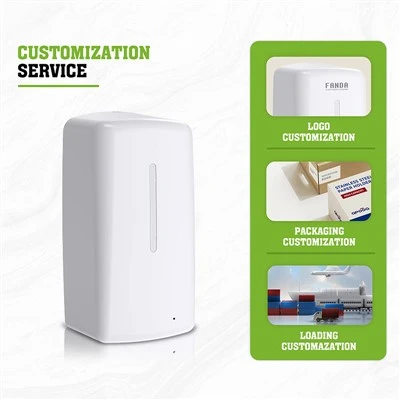
As one of the most professional jumbo toilet roll paper dispense manufacturers and suppliers, we also support customized service. With a professional production team, we are able to meet the needs of the majority of our customers. Welcome to wholesale bulk jumbo toilet roll paper dispense in stock here and get quotation from our factory.
Address: No.18-25, Changsheng Ln., Sec. 1, Huanzhong Rd., Beitun Dist., Taichung, Taiwan
E-mail: Sales03@fanda.com.tw
WebSite: https://www.fanda-hygiene.com/
