Hey everyone! If you’ve ever played a sport—whether it’s a weekend 5K, a round of golf, or even a casual bike ride through the trails—you know the frustration of squinting so hard your eyes ache, or feeling that annoying stinging sensation when a gust of wind blows dirt or grass in your face. As someone who’s been in the sports sunglasses game for years (full transparency: I run a small, no-BS sports gear supply company that’s all about actual athlete needs, not fancy marketing fluff), I get way too many questions lately: “Are sports sunglasses just regular sunglasses with a cool frame, or do they actually do something to keep me safe out there?” Sports Sunglasses
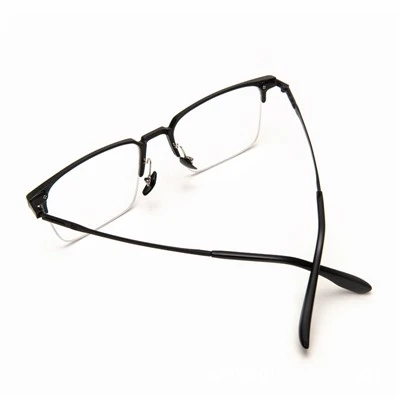
Let me cut to the chase—they’re not the same as the pair you wear to a beach brunch. The safety features in sports sunglasses are actually science-backed, designed for the specific chaos of being active: wind, flying debris, harsh sun, even random scratches from a net or a branch. Today, I’m breaking down the real safety stuff we build into every pair we ship, no jargon, no sales pitches—just what actually keeps you from ending your weekend early with an eye injury.
First up, the lens material and impact resistance—this is the big one. Regular sunglasses are made of glass or thin plastic that’ll shatter if a golf ball hits ’em, or crack if you trip and face-plant on a gravel path. We’re talking about sports, where flying objects aren’t a “what if”—they’re a “did I just get a rock to the side of the eye?” scenario. The lenses in our sports sunglasses aren’t made of that flimsy stuff; they’re polycarbonate, and not just any polycarbonate—we use the same material that’s in bulletproof glass, basically. Wait, let’s back that up with a quick science check: polycarbonate is a thermoplastic that’s 200 times more impact-resistant than standard glass and 10 times tougher than acrylic. The FDA even has standards for this—specifically, the ANSI Z80.3 label, which means the lens can withstand a one-inch steel ball traveling at 150 feet per second. That’s faster than a golf drive’s average speed (which is around 140 fps, by the way). So if a tee shot goes rogue and clips your glasses? Your eye’s safe. I’ve seen a guy in a local softball league take a line drive to the face—his sunglasses’ lens cracked, but his eye was totally fine. That’s not luck, that’s the lens doing its job.
And it’s not just big objects—small, everyday stuff like dust, pollen, or even UV particles (wait, yes, UV can damage your eyes too) are blocked by these lenses too. Speaking of UV protection—let’s clear up the myth that “dark lenses equal UV protection.” A lot of cheap sunglasses just dye the lens dark, but they don’t block UVA and UVB rays, which can cause corneal sunburn, cataracts, or even long-term macular damage. For sports sunglasses, the UV protection is built into the lens material, not a coating. Every pair we make blocks 100% of UVA, UVB, and UVC rays—even the clear ones, because when you’re running at dusk or skiing in low light, you still don’t want that solar radiation frying your eyes. I once had a runner tell me he wore his regular sunglasses for a morning 10K in the mountains and ended up with “snow blindness” on his drive home—turns out the cheap pair only blocked 60% of UVB. That’s the mistake we’re here to fix.
Next, the frame design—people think frames are just for style, but no, they’re part of the safety package too. First, fit: they can’t be so loose they slide down your nose mid-sprint, and they can’t pinch so hard they give you a headache mid-cycle. We use adjustable nose pads and temple arms (the things that go over your ears) that are grippy, usually rubberized, especially for when you sweat. Sweaty skin = regular sunglasses sliding right off. We’ve tested these in 90-degree summer baseball games and snowy cross-country ski trails—they stay put. But even more than fit, frames have to be flexible and impact-resistant too. We don’t use hard plastic that’ll snap if you bump a pole; we use a lightweight, flexible nylon (called grilamid, for anyone who cares) that bends instead of breaking. If you trip while hiking, your glasses hit a rock, the frame bends, not shatters—so no sharp plastic edges cutting your cheek or eye. Also, wraparound design? That’s not a trend. Wraparound lenses block peripheral debris—like grass clippings when you’re cutting a soccer ball, or dust when you’re mountain biking on a dry trail. Regular sunglasses are flat, so wind can blow stuff straight into the sides of your eyes. Wraparound sports sunglasses create a little “shield” around the eye area, so that extra layer of protection is huge. I’ve had a mountain biker client tell me a stick flew up and nicked his side lens—no scratch on his actual eye, just a tiny mark on the lens. That’s the wraparound doing its job.
Wait, let’s talk about scratches—scratches don’t just make your vision blurry, they’re a safety hazard too. A scratched lens can create distorted vision, which is dangerous when you’re reacting to a sharp turn in a race or a ball coming at your face. Plus, if a scratch is deep enough, it can weaken the lens and make it more likely to crack during impact. Our lenses have a scratch-resistant coating—usually a hard acrylic or silicone layer that’s applied during manufacturing. You know that pair of old sunglasses with the tiny scratch that makes you squint? You won’t get that with our stuff. We test this by rubbing the lenses with steel wool and exposing them to cleaning chemicals—they stay clear for way longer than regular sunglasses. Another random safety thing: anti-fog technology. When you’re sweating or going from cold air to warm air (like leaving a ski lodge to the slopes), your lenses fog up so bad you can’t see. That’s a safety risk—if you can’t see where you’re going, you could trip, crash a bike, or miss a ball. The anti-fog coating we use is applied to the inner lens, so it doesn’t wear off when you wipe the lens with your shirt. I once had a runner in a marathon tell me he almost dropped out because his cheap sunglasses fogged up, but our pair kept his vision clear the whole way. That’s not a “nice extra”—that’s a safety feature.
Oh, and what about when your glasses do get damaged? Wait, no—first, we also have some secondary safety stuff, like polarized lenses? Wait, hold on, is polarized a safety feature? Let’s be real: glare off water, pavement, or snow is a real hazard. Glare can make you miss a stop sign while cycling, or not see a puddle that’ll make you slip. Polarized lenses block that glare by filtering out horizontal light waves. But wait, not all polarized lenses are safe—some can block too much light in low light, which is bad for night sports. We make polarized options for sunny days (golf, beach volleyball) and non-polarized for overcast or evening sports. That balance is key. I had a triathlete tell me he used to struggle with glare off the lake during the swim leg—our polarized sunglasses fixed that, and he didn’t get disoriented halfway through like he had before.
Wait, let’s not forget about edge protection. The edges of sports lenses aren’t sharp—they’re polished and rounded, unlike some cheap sunglasses that have cut lenses with sharp edges. If your glasses slip and hit your face, or a branch brushes the side, sharp edges could cut your skin or eye. We round all lens edges during the manufacturing process, so even if something happens, there’s no risk of a deep cut. That’s a small detail, but it’s the kind of thing that makes the difference between a minor ouch and a trip to urgent care.
Now, let’s get real—why does this stuff matter more than regular sunglasses? When you’re sitting on the couch, sunglasses are just for style. When you’re playing a sport, your body is moving fast, you’re in an unpredictable environment, and your eyes are your most important tool. If you can’t see clearly, or a foreign object hits your eye, that can end your season, your race, or even cause permanent damage. I’ve seen too many athletes brush off wearing proper sports sunglasses because they think “my regular pair works”—until they get a small scratch that affects their performance, or a rock hits their eye and they have to sit out for weeks.
At the end of the day, our whole thing is making sure athletes don’t have to worry about their glasses failing them when they need them most. Every single safety feature we build into our sports sunglasses is tested by actual athletes, not just engineers in a lab. We don’t do flashy lights or random colorways (though we have cool frames, don’t get me wrong)—we do the stuff that keeps your eyes safe.
If you’re a team manager, a race organizer, or a business looking to stock reliable sports sunglasses for your athletes, we’re here to help. We supply bulk pairs at reasonable prices, and we can tailor them to specific sports (like wraparound for cycling, sport-specific lens tints for golf, etc.). No long contracts, no hidden fees—just solid, safe sports gear that works. If you want to chat more about what features would work best for your group, feel free to reach out to us for a wholesale or bulk order discussion.

Now, quick sources for all this science stuff, because I don’t want you to take my word for it:
- American National Standards Institute (ANSI) Z80.3 Standard for Ophthalmic Products – impact resistance and safety criteria for sports eyewear
- Centers for Disease Control and Prevention (CDC) Eye Health – stats on sports-related eye injuries, noting that proper eyewear reduces risk by 90%
- International Organization for Standardization (ISO) 12312-1 – standards for sunglass lens UV protection and performance
- Polycarbonate Materials Council – technical data on impact resistance and durability of polycarbonate lenses
Rimless Glasses That’s all for today, go lace up your shoes, grab your sports sunglasses, and stay safe out there.
Yuhuan Longsen Glasses Co., Ltd.
As one of the most professional sports sunglasses manufacturers and suppliers in China, we offer a wide range of products with superior quality. Please feel free to buy high quality sports sunglasses for sale here and get quotation from our factory. We also accept customized orders.
Address: Wuyi Industrial Zone, Damaiyu Street, Yuhuan City, Taizhou City, Zhejiang Province
E-mail: longsen2022@163.com
WebSite: https://www.longsenglasses.com/
