Hey there, fellow pharma enthusiasts! I’m an active ingredient supplier in the pharmaceutical world, and I’ve been keeping a close eye on all the latest happenings. So, I thought I’d share with you the current research trends in Active Pharmaceutical Ingredients (APIs) that are shaping our industry right now. Active Pharmaceutical Ingredient
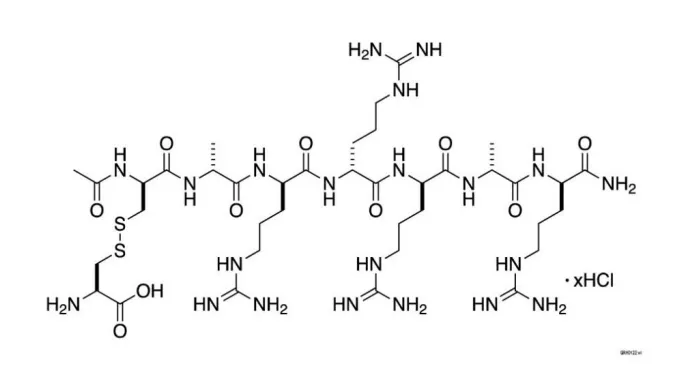
Personalized Medicine and APIs
One of the biggest trends I’m super excited about is personalized medicine. You know, we’re moving away from the one – size – fits – all approach. Instead, we’re tailoring treatments to an individual’s genetic makeup, lifestyle, and environmental factors.
What does this mean for APIs? Well, it means a whole new ballgame. We need to develop APIs that can target specific genetic mutations or biological pathways. For example, in cancer treatment, there are drugs that are designed to target specific proteins or genes that are over – expressed in tumor cells. These targeted APIs have shown much better efficacy and fewer side effects compared to traditional chemotherapy drugs.
Companies and research institutions are spending a ton of time and money on genomics research. They’re looking at the human genome to identify potential drug targets. And as a supplier, it’s my job to keep up with these findings. I need to be ready to provide the right APIs for these new, personalized treatments. It’s a real challenge, but it’s also incredibly rewarding. When I see a patient benefiting from a personalized drug that contains an API I supplied, it makes all the hard work worth it.
Natural and Herbal APIs
Another trend that’s been gaining steam is the use of natural and herbal ingredients as APIs. People are becoming more health – conscious and are looking for alternatives to synthetic drugs. They want something that’s more "natural" and "gentle" on their bodies.
A lot of traditional medicines from around the world, like Chinese herbal medicine and Ayurvedic medicine, are being studied for their potential as APIs. These traditional systems have been using plants and herbs for thousands of years to treat various ailments. Now, modern science is catching up.
For example, curcumin, which is found in turmeric, has been studied for its anti – inflammatory, antioxidant, and anticancer properties. There’s ongoing research to develop more effective curcumin – based APIs. As a supplier, I’ve seen an increase in demand for natural APIs like curcumin, resveratrol, and ginseng extracts.
One of the challenges with natural APIs is standardization. Unlike synthetic APIs, which can be manufactured with high precision, natural ingredients can vary in their chemical composition depending on factors like the growing conditions, harvesting time, and extraction methods. But with new technologies like high – performance liquid chromatography (HPLC) and mass spectrometry, we’re getting better at analyzing and standardizing these natural APIs.
Nanotechnology in API Delivery
Nanotechnology is really making waves in the API world. With nanotechnology, we can design API delivery systems that are more efficient and targeted.
Nanoparticles can be engineered to encapsulate APIs. These nanoparticles can then be designed to target specific tissues or cells in the body. For example, in cancer treatment, nanoparticles can be modified to recognize and bind to receptors on the surface of tumor cells. This way, the API is released directly at the site of the tumor, increasing its effectiveness and reducing side effects on healthy tissues.
There are also nanosuspensions and nanocrystals. These are APIs in the form of very small particles. The small size increases the solubility and bioavailability of the API. This is especially useful for APIs that are poorly soluble in water, which has been a major problem in drug development.
As a supplier, I’m working with researchers and manufacturers to provide the right materials for these nanotechnology – based delivery systems. It’s a complex area, but the potential benefits are huge. We’re talking about better drug efficacy, reduced dosing frequency, and improved patient compliance.
Continuous Manufacturing of APIs
Continuous manufacturing is a game – changer in the API production process. Traditionally, APIs have been produced in batch processes. But continuous manufacturing has a lot of advantages.
In continuous manufacturing, the API production process runs continuously, rather than in discrete batches. This means a more consistent product quality. There’s less variability in the final API product because the process is constantly monitored and controlled.
It also leads to cost savings. Continuous manufacturing requires less equipment and less floor space compared to batch manufacturing. And because the process is more efficient, it reduces production time.
As a supplier, I’m encouraging more of my clients to adopt continuous manufacturing. I’m providing them with the necessary APIs and technical support to make the transition. It’s not always easy, as there are regulatory and technical challenges. But the long – term benefits are clear.
Antibiotic Resistance and API Development
Antibiotic resistance is one of the most pressing global health issues today. Bacteria are becoming resistant to existing antibiotics, and we’re running out of effective treatment options.
So, there’s a lot of research going on to develop new APIs for antibiotics. Scientists are looking at new sources, like soil bacteria, to find novel antibiotics. They’re also using new technologies, like structure – based drug design, to develop more effective antibiotics.
As a supplier, I’m aware of the importance of this research. I’m working with pharmaceutical companies to provide them with the raw materials and APIs needed for antibiotic development. It’s a race against time, but I believe that with the right research and development efforts, we can develop new antibiotics to combat resistant bacteria.
Green Chemistry in API Synthesis
Green chemistry is another trend that’s catching on in the API industry. With the increasing focus on sustainability, there’s a push to develop more environmentally friendly methods for API synthesis.
Green chemistry principles involve using less hazardous chemicals, reducing energy consumption, and minimizing waste generation. For example, using water as a solvent instead of organic solvents, which are often toxic and flammable.
There are also new catalytic methods being developed that can make API synthesis more efficient and selective. These catalytic processes can reduce the number of reaction steps and the amount of waste produced.
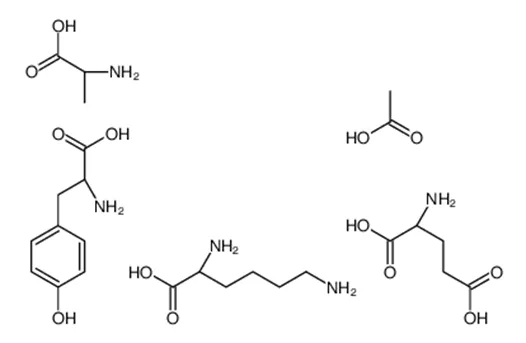
As a supplier, I’m committed to promoting green chemistry. I’m working with my partners to source raw materials from sustainable suppliers and to develop more environmentally friendly manufacturing processes. It’s not only good for the planet, but it can also lead to cost savings in the long run.
Finished Dosage Form If you’re in the pharmaceutical business and are looking for high – quality APIs, whether it’s for personalized medicine, natural product research, nanotechnology – based delivery systems, or any of the other trends I’ve mentioned, I’d love to hear from you. Let’s have a chat about your API needs and how I can help you achieve your goals.
References
- "Principles of Nanobiotechnology," by Charles M. Niemeyer and Chad A. Mirkin.
- "The Handbook of Pharmaceutical Particulate Science," edited by Rabin H. Müller, Malcolm R. Rhodes, and Cornel C. Blanco – Massani.
- "Green Chemistry: Theory and Practice," by Paul T. Anastas and John C. Warner.
- "Antibiotic Discovery and Development: Past, Present, and Future," in the Annual Review of Pharmacology and Toxicology.
- "Personalized Medicine: Revolutionizing Healthcare," various articles from medical and pharmaceutical journals.
HK Neopharm Limited
HK Neopharm Limited is one of the most professional active pharmaceutical ingredient manufacturers and suppliers in China, also supports customized service. Welcome to buy high quality active pharmaceutical ingredient in stock here and get quotation from our factory. For price consultation, contact us.
Address: Room W Unit 6086/f Metro Loft 38kwai Hei St Kwai Chung, Hong Kong
E-mail: sales@hkneopharm.com
WebSite: https://www.hkneopharm.com/
