As a supplier of rubber caps, one question I often encounter from potential clients is whether rubber caps have a smooth surface. This seemingly simple question delves into the intricacies of rubber cap manufacturing, material properties, and the diverse requirements of different industries. In this blog, I’ll explore the factors that determine the surface smoothness of rubber caps, the benefits and drawbacks of smooth surfaces, and how it impacts your specific applications. Rubber Caps
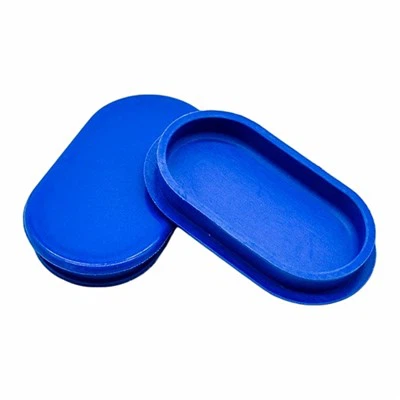
Factors Affecting the Surface Smoothness of Rubber Caps
Material Selection
The type of rubber used is a fundamental factor in determining the surface smoothness of rubber caps. Different rubber compounds have distinct molecular structures and properties that influence their finish. For instance, silicone rubber is known for its inherently smooth and glossy surface. Its molecular chains are flexible and orderly arranged, which allows for a sleek finish during the molding process. This makes silicone rubber caps highly suitable for applications where a smooth surface is crucial, such as in the medical and food industries, where cleanliness and non – particulate shedding are essential.
On the other hand, natural rubber, while having excellent elasticity, may not always offer as smooth a surface as silicone. Natural rubber’s structure contains impurities and irregularities at the molecular level, which can translate to a slightly rougher surface texture. However, with advanced purification and processing techniques, the surface smoothness of natural rubber caps can be improved to meet certain standards.
Manufacturing Processes
The manufacturing method employed also has a significant impact on the surface smoothness of rubber caps. Injection molding is a popular technique for producing rubber caps, especially in high – volume production. In injection molding, liquid rubber is injected into a precisely machined mold under high pressure. The quality of the mold finish directly affects the surface of the rubber cap. A highly polished mold will transfer its smoothness to the rubber cap, resulting in a cap with a mirror – like finish.
Compression molding is another common approach. In compression molding, a pre – formed rubber blank is placed in a mold cavity, and pressure is applied to shape the rubber into the desired form. While compression molding can produce high – quality rubber caps, it may not always achieve the same level of smoothness as injection molding. This is because the rubber may be subjected to more movement and deformation during the compression process, which can lead to minor surface imperfections.
Post – processing treatments can also enhance or modify the surface smoothness of rubber caps. For example, tumbling rubber caps with abrasive media can remove any minor burrs or rough edges, resulting in a more uniform and smooth surface. Additionally, coating the rubber caps with a smooth – finish paint or a specialized lubricant can further improve their surface properties.
Quality Control
Quality control measures during the manufacturing process play a crucial role in ensuring the surface smoothness of rubber caps. Visual inspection is a basic yet effective method for detecting surface defects such as scratches, bumps, or unevenness. Advanced techniques such as profilometry can be used to measure the surface roughness of rubber caps with high precision. Profilometry provides detailed information about the surface topography, allowing manufacturers to determine if the caps meet the specified smoothness requirements.
Benefits of Smooth – surfaced Rubber Caps
Hygiene and Cleanliness
In industries such as healthcare, pharmaceuticals, and food processing, smooth – surfaced rubber caps are highly desirable due to their hygienic properties. A smooth surface is easier to clean and sterilize, reducing the risk of bacteria, fungi, and other contaminants adhering to the cap. This is essential for maintaining product integrity and preventing the spread of pathogens. For example, in medical devices, smooth rubber caps are used to seal vials and syringes, ensuring that the contents remain sterile throughout their shelf life.
Aesthetics
Smooth – surfaced rubber caps can enhance the overall appearance of a product. In consumer goods, such as cosmetics and electronics, the visual appeal of the packaging is often a critical factor in attracting customers. A shiny, smooth rubber cap can give a product a high – end and professional look. For example, a perfume bottle with a smooth rubber cap not only provides a tight seal but also adds a touch of elegance to the entire packaging.
Friction and Slip Resistance
Smooth rubber caps can offer predictable friction properties. In applications where a certain level of grip is required, such as in the handles of tools or the knobs of electronic devices, a smooth surface can provide a consistent and reliable grip. Additionally, the smooth surface can reduce the risk of slippage, improving the safety and usability of the product.
Drawbacks of Smooth – surfaced Rubber Caps
Adhesion Challenges
In some cases, a smooth surface can make it difficult to bond rubber caps to other materials. For example, if a rubber cap needs to be attached to a plastic or metal component, the lack of surface roughness can reduce the adhesion strength between the two materials. Special adhesives or surface treatments may be required to improve the bonding performance.
Trapping Air and Moisture
Smooth – surfaced rubber caps can sometimes trap air or moisture between the cap and the container. This can be a problem in applications where airtight or moisture – resistant sealing is crucial. For example, in the storage of sensitive electronic components, trapped moisture can lead to corrosion and damage over time.
Applications and Requirements
Medical and Pharmaceutical Industry
In the medical and pharmaceutical industries, smooth – surfaced rubber caps are essential for maintaining the sterility and integrity of drugs and medical devices. The caps must be free from any surface irregularities that could harbor contaminants. Additionally, they need to provide a reliable seal to prevent leakage and contamination during storage and transportation.
Consumer Goods
In consumer goods, the surface smoothness of rubber caps is often a matter of aesthetics and functionality. For example, in cosmetics, a smooth rubber cap can protect the product from drying out and give the packaging a luxurious look. In electronics, smooth rubber caps can be used to cover buttons or ports, providing a clean and professional appearance.
Industrial Applications
In industrial applications, the requirements for surface smoothness vary depending on the specific use. For example, in hydraulic systems, smooth – surfaced rubber caps are used to prevent dirt and debris from entering the system. In automotive applications, rubber caps with a smooth surface can provide a tight seal and reduce noise and vibration.

As a supplier of rubber caps, I understand the diverse needs of different industries and the importance of surface smoothness in various applications. We are committed to providing high – quality rubber caps with a surface finish that meets your specific requirements. Whether you need a super – smooth cap for medical use or a cap with a slightly rougher surface for better adhesion, we have the expertise and technology to deliver the right product.
Silicone Caps If you are interested in learning more about our rubber caps or discussing your specific requirements, please don’t hesitate to contact us. We look forward to the opportunity to work with you and provide you with the best rubber cap solutions for your business.
References
- "Rubber Technology Handbook" by Werner Hofmann
- "Polymer Materials: Engineering and Science" by Charles E. Carraher
- Various industry reports on rubber manufacturing and applications
Haining Chaoyue Seals Co., Ltd.
As one of the most professional rubber caps manufacturers and suppliers in China, we offer a wide range of products with superior quality. Please feel free to wholesale high quality rubber caps made in China here from our factory. Also, custom service is available.
Address: Building 9, 158 Lianhong Road, Yuanhua Town, Jiaxing, Zhejiang, China.
E-mail: chaoyue@cyseals.com
WebSite: https://www.hncyseal.com/
