Hey there, fellow machining enthusiasts! As a supplier of end mills, I get asked all sorts of questions about which end mill is the best for different materials. Today, I’m diving deep into the world of stainless steel machining and sharing my thoughts on the best end mills for the job. End Mills
Why Stainless Steel is a Bit of a Tough Nut to Crack
First off, let’s talk about why machining stainless steel is a little tougher compared to other materials. Stainless steel is known for its high strength, work – hardening characteristics, and low thermal conductivity. When you’re cutting stainless steel, it has a tendency to stick to the cutting edge of the end mill. This can lead to built – up edge (BUE), which not only ruins the surface finish of your workpiece but also shortens the tool life.
Plus, because of its low thermal conductivity, heat generated during the cutting process doesn’t dissipate easily. This can cause the end mill to overheat, leading to premature wear and even breakage. So, we need an end mill that can handle these challenges.
Coating is Key
One of the most important factors when choosing an end mill for stainless steel is the coating. A good coating can significantly improve the performance and tool life of the end mill.
-
TiAlN (Titanium Aluminum Nitride) Coating: This is my go – to coating for stainless steel machining. It has excellent heat resistance, which is crucial because of the heat generated when cutting stainless steel. The TiAlN coating can withstand high temperatures without breaking down, allowing the end mill to maintain its sharp cutting edges. It also reduces friction between the end mill and the workpiece, which helps prevent the stainless steel from sticking to the tool.
-
AlTiN (Aluminum Titanium Nitride) Coating: Similar to TiAlN, but with a higher aluminum content. AlTiN coating offers even better high – temperature performance and wear resistance. It’s great for high – speed machining of stainless steel, as it can handle the intense heat generated at high cutting speeds.
If I had to choose between the two for general stainless steel machining, I’d say TiAlN is a great all – around option. It’s a bit more cost – effective and works well for a wide range of stainless steel grades and cutting conditions. But if you’re doing high – volume, high – speed machining, then AlTiN might be worth the extra investment.
Geometry Matters
The geometry of the end mill also plays a huge role in how well it cuts stainless steel.
-
Helix Angle: A high helix angle, usually around 45 to 50 degrees, is beneficial for stainless steel. A higher helix angle helps in chip evacuation. When you’re cutting stainless steel, the chips can be stringy and difficult to remove from the cutting area. A high – helix end mill can curl the chips more effectively and push them out of the way, preventing chip packing and reducing the chances of tool breakage.
-
Number of Flutes: For stainless steel, I usually recommend end mills with fewer flutes. Two – or three – flute end mills are great because they provide more space for chip evacuation. With more room for the chips, the end mill is less likely to get clogged, and you can maintain a smooth cutting process.
Performance Considerations
Let’s talk about some real – world performance factors when using an end mill for stainless steel.
-
Cutting Speed and Feed Rate: Getting the right cutting speed and feed rate is crucial. You don’t want to cut too fast, as this can generate excessive heat and cause the end mill to wear out quickly. On the other hand, cutting too slow can lead to work – hardening of the stainless steel, making it even more difficult to machine. As a general rule, start with a relatively conservative cutting speed and feed rate, and then adjust based on the performance of the end mill and the surface finish of the workpiece.
-
Surface Finish: When machining stainless steel, a good surface finish is often required, especially for applications where the part will be visible or in contact with other components. The right end mill can help you achieve a smooth surface finish. As mentioned earlier, the coating and geometry of the end mill play a big role in this. A well – coated end mill with the right helix angle and number of flutes can cut through the stainless steel cleanly, leaving a smooth surface behind.
Specific End Mill Types for Different Applications
-
Ball Nose End Mills: These are great for contour machining and 3D milling of stainless steel parts. They can create smooth, rounded edges and are perfect for applications like mold making or creating complex shapes. The ball nose design allows for more flexibility in machining, as it can follow the contours of the workpiece easily.
-
Square End Mills: Square end mills are ideal for face milling, slotting, and pocketing operations. They have a flat end, which makes them efficient for removing large amounts of material quickly. When using square end mills on stainless steel, make sure to choose one with the right coating and geometry to handle the challenges of the material.
Our End Mill Offerings
As a supplier of end mills, we’ve got a wide range of options for stainless steel machining. Our end mills come with either TiAlN or AlTiN coatings, depending on your needs. We offer both ball nose and square end mills in different sizes and geometries.
Our two – and three – flute end mills with high helix angles are specifically designed for stainless steel. They’re made from high – quality carbide, which gives them excellent wear resistance and toughness. We’ve tested these end mills in various machining conditions, and they’ve proven to be reliable and efficient when it comes to cutting stainless steel.
The Best End Mill for You
So, what’s the best end mill for stainless steel? Well, it really depends on your specific application. If you’re doing high – speed, high – volume machining, an AlTiN – coated end mill with a high helix angle and fewer flutes might be the way to go. For more general – purpose machining, a TiAlN – coated end mill is a solid choice.
If you’re not sure which end mill is right for your project, don’t hesitate to reach out to us. We’ve got a team of experts who can help you select the perfect end mill for your stainless steel machining needs.
How to Connect
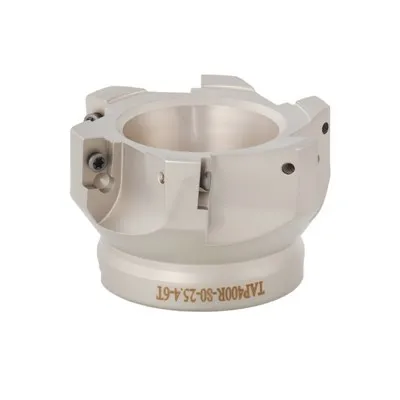
Face Mill Cutter Heads Whether you’re looking to upgrade your current end mills or starting a new stainless steel machining project, we’d love to chat with you. Contact us to discuss your requirements, and let’s find the best end mill solutions for you.
References
- Machinery’s Handbook, 30th Edition
- Tooling U – SMA Machining Library Resources
- Technical Papers from Cutting Tool Manufacturers’ Association (CTMA)
Small Craftsman (Shandong) Machine & Tools Co., Ltd.
Small Craftsman (Shandong) Machine & Tools Co., Ltd. is one of the most experienced end mills manufacturers and suppliers in China, also supports customized service with low price. Please feel free to buy bulk high quality end mills in stock here from our factory. Contact us for pricelist.
Address: No.9 Quanxin Rd., Sishui Economic Developing Zone, Jining, Shandong, China.
E-mail: 6196@ocutchina.com
WebSite: https://www.ocutooling.com/
