Refilling a small gas cylinder may seem straightforward at first glance, but as someone who’s spent the last 12 years as a gas cylinder supplier, I’ve seen too many people cut corners and end up making avoidable mistakes—ranging from messy leaks that waste product to situations that put their safety at risk. I sell small cylinders to weekend plumbers, craft brewers, hobbyist welders, and even home chefs who use them for outdoor grills, and I always tell them the same thing: refilling isn’t just “pouring gas in.” It’s a step-by-step process that needs patience, attention to detail, and respect for the equipment. Today, I want to walk you through exactly how to do it safely, based on the protocols we teach every new customer when they buy a cylinder from our shop. Gas Cylinder

First, let’s talk about what a small gas cylinder actually is, because this is where a lot of confusion starts. I deal with 20-pound propane tanks, 10-pound CO2 cylinders for beer lines, 5-pound argon tanks for small welding projects, and even smaller butane canisters for camping stoves. The key here is that you never mix gases—you can’t refill a propane tank with CO2, no matter how tempting it is to save a few bucks. That’s non-negotiable. Before you even think about picking up a refill hose, confirm two things: the cylinder is designed for the gas you’re refilling, and it’s not expired. Every small cylinder has a stamped inspection date on the collar (the metal ring at the top where the valve screws in). In most places, these need to be inspected every 5 to 10 years, depending on the material—aluminum cylinders usually get a 5-year check, steel ones can go up to 10. I once had a regular customer bring in an old propane tank that was 12 years past inspection, and we refused to refill it, even though he swore it was “fine.” I see that mistake often; a cylinder that’s out of inspection isn’t just unreliable—it’s a hazard that can rupture if pressurized.
Next, gather your supplies. You don’t need fancy gear, but cheap tools are a bad idea. You’ll need three main things: a certified refill adapter (match this to your cylinder valve and the refill outlet on the bulk tank), a pressure gauge (I prefer dual gauges—one to monitor the pressure in the small cylinder, one for the bulk tank—to avoid overfilling), and a leak detection solution (or a mix of dish soap and water that works just as well, if you don’t want to buy the commercial kind). If you’re refilling a flammable gas like propane or butane, skip the open flames entirely—no lighters, no space heaters nearby, even a lit candle on the counter is a risk. I keep a five-pound ABC fire extinguisher in my shop for every refill, and I recommend every customer have one too, even for home use. Safety isn’t optional here.
Let’s get to the actual process, starting with pre-refill checks. First, set your small cylinder on a flat, stable surface outdoors. Never refill inside a garage, basement, or enclosed space—gas vapors can build up and ignite from a tiny spark, even one from a light switch turning on. For propane, I always tell customers to leave at least 10 feet away from the house and any other buildings. Next, inspect the cylinder itself. Look for dents, scratches, or rust. A small dent on the side might seem minor, but it can weaken the metal and cause it to fail under pressure. Check the valve: make sure it closes and opens smoothly, no loose parts or weird sounds when you turn it. If the valve feels stuck or the stem is bent, don’t use it—bring it to a professional for repair, or recycle it. Then, confirm the pressure in the small cylinder. Empty cylinders don’t read zero, but they should be low—if the gauge shows more than 10% of the cylinder’s rated pressure, that means there’s residual gas inside, and you need to vent it slowly before you start. Venting is simple: use the valve on the small cylinder, turn it open slightly for 10 to 15 seconds, then close it, wait a minute, and check the gauge again. Don’t vent too fast, especially with CO2—cold frost can build up on the valve and cause it to stick, and CO2 released quickly can also be dangerous to inhale.
Once your pre-refill checks are done, attach the refill adapter. This is where matching the right adapter is critical—using the wrong adapter can strip the threads or cause a leak. Line up the adapter with the cylinder valve, hand-tighten it first, then use a wrench (not pliers, to avoid damaging the valve) to give it one-quarter turn. Don’t over-tighten; that’s a quick way to break the valve. Now, open the bulk tank’s valve slowly. Stand to the side of the connection, not directly in front, just in case there’s a small leak or a pressure spike. As you open the bulk tank valve, watch the dual pressure gauges. The bulk tank pressure will be higher than the small cylinder’s pressure at first—this is normal, that’s what pushes the gas into the small cylinder. Let the gas flow slowly; don’t crank the bulk tank valve open all the way. Overfilling is the number one mistake I see DIYers make. Every small cylinder has a maximum fill level, usually stamped on the collar. For example, a 20-pound propane tank should only hold 15 pounds of propane, 80% of its total capacity, because gas expands when it’s warm. If it’s a hot day, that expansion can cause the cylinder to overpressurize if it’s too full, leading to a rupture. Most refill stations have a scale, but if you’re doing this at home, pay attention to the pressure gauge—stop when the small cylinder’s gauge reaches the rated pressure for its size, or when it hits the maximum fill weight listed on the collar. I always remind customers that “more isn’t better” here.
While the gas is flowing, check for leaks every 5 minutes. Take your leak detection solution and spray it on the valve connection, the adapter, the bulk tank outlet, and even the valve stem on the small cylinder. If you see bubbling, that’s a leak. If the leak is small, turn off both valves immediately, tighten the adapter slightly, and test again. If the leak is big or you can’t stop it, turn off the bulk tank’s valve, move to a safe distance, and call a professional. Leaks don’t get better on their own—they get worse, especially with flammable or high-pressure gases. I once had a customer call me in a panic because his beer CO2 line was leaking, and he’d been trying to refill it for 20 minutes; when I got there, the leak had soaked through his garage floor, and a single spark would have been a disaster. Don’t let that be you.
Once the small cylinder is full, turn off the bulk tank valve first. Then, close the small cylinder’s valve tightly. Wait 2 minutes to let any pressure in the adapter equalize, then slowly loosen and remove the refill adapter. If you remove it too fast, a small jet of gas will spray out, which can freeze your skin or cause a spark if there’s an ignition source. Now, do one final leak check on the small cylinder’s valve—spray the solution on the valve stem, and if there’s no bubbling, you’re good to go.
After the refill, do a quick visual check. Look for frost on the cylinder or the valve—if there’s heavy frost, that means you’ve overfilled it, or the gas is flowing too fast. In that case, set the cylinder in a cool, shaded place for an hour to let the pressure equalize, and vent a small amount of gas to reduce the fill level. Never leave a freshly refilled cylinder in a hot car or in direct sunlight for long periods—heat increases pressure, and even a properly filled cylinder can become a hazard if it’s exposed to high temperatures for hours.
Wait, I should add a note about special cases, because some small cylinders are different. Butane canisters, like the ones used for camping stoves, are smaller and have a different valve design. You can’t refill them the same way you refill a propane tank—most disposable butane canisters are not designed to be refilled, and trying to do it can cause a leak or an explosion. I get asked about this all the time, and I always tell customers: buy a new disposable canister when it’s empty, or get a refillable butane canister from a supplier that sells them. Welding argon cylinders are another special case—they’re high-pressure, and you need a specific argon adapter, not a propane one. If you mix adapters, you’ll cross-contaminate the gas, which can ruin your welding work or damage your equipment.
Now, let’s talk about when you should skip DIY refilling and go to a professional. This is important, because I don’t want anyone to take unnecessary risks. If your cylinder is damaged (dented, rusted, out of inspection), don’t refill it at home—take it to a certified gas shop. If you’re not sure what gas is in the cylinder (like if you found an old tank at a garage sale), never try to refill it—we can test it for free at our shop, and tell you if it’s safe to refill or needs to be retired. If you’re refilling a toxic gas (like chlorine for pool chemicals, or ammonia), DIY refilling is almost never safe—those require industrial equipment and training, so leave that to the pros. Even for common gases, if you’re new to refilling, practice on an empty cylinder first, take your time, and don’t hesitate to ask a professional for advice if you have a question.
As a gas cylinder supplier, I hear every horror story from botched refills: a customer who thought his small propane tank was full until it caught fire while he was grilling, a hobbyist welder who accidentally mixed argon with oxygen and damaged his welding torch, a home brewer who had a CO2 cylinder leak in his basement and had to be evacuated. These stories aren’t rare—they’re preventable, if you follow the right steps. Refilling a small gas cylinder is a simple process when you take it slow, follow safety rules, and use the right equipment.
If you’re looking for reliable, certified gas cylinders, or you need to ask a question about refilling a specific type of cylinder, we’re here to help. We sell a full range of small cylinders for residential, commercial, and hobby use, and our team can walk you through the refill process for any gas we supply. Whether you’re a first-time buyer who’s never refilled a cylinder before, or a seasoned professional looking for bulk gas supplies, we can provide the guidance and products you need to do the job safely.
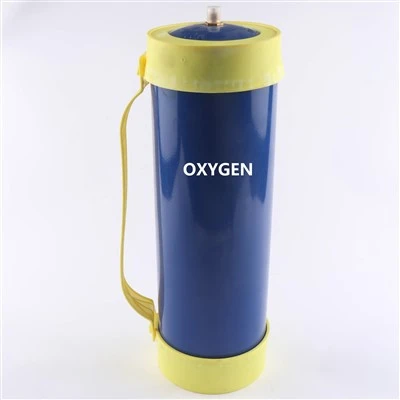
Don’t take chances with uncertified equipment or rushed refills. Reach out to our team to discuss your gas cylinder needs, and we’ll help you find the right solution for your project, while keeping safety at the forefront of everything we do.
Nitrogen References
Compressed Gas Association. (2021). Standard for the Inspection, Testing, and Certification of Compressed Gas Cylinders (CGA C-6). Compressed Gas Association, Inc.
National Fire Protection Association. (2022). Standard for the Storage, Handling, and Use of Compressed Gases (NFPA 55). National Fire Protection Association.
Occupational Safety and Health Administration. (2020). Compressed Gas Cylinder Safety Guidelines (OSHA 1910.101). U.S. Department of Labor.
Fortune Gas Co., Ltd.
With abundant experience, we are one of the most professional gas cylinder manufacturers and suppliers in China. We warmly welcome you to buy bulk high quality gas cylinder from our factory. If you have any enquiry about customized service, please feel free to email us.
Address: Building 3, No. 2 Chunchao Road, Yichun Economic and Technological Development Zone, Jiangxi Province
E-mail: Fortunegas_angela@163.com
WebSite: https://www.fortunegascn.com/
