Hey there, Vacuum Flask
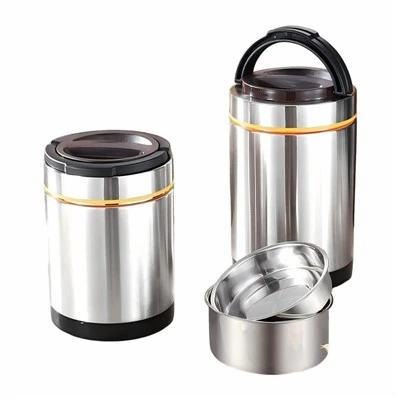
If you’ve ever stared down at a steaming bowl of tomato soup on a busy weekday morning, raced out the door only to wonder, “Wait—can I dump this whole hot mess into my wide-mouth vacuum flask before dashing to my office?”—you’re not alone. I get this question literally every week, maybe even a few times a day, because here’s the thing: I’m a vacuum flask supplier, and half the customers who swing by my booth (or shoot me an email) are either panicking about spilling hot coffee on their laptop, or shoving leftover chili into a flask on their way to a camping trip and second-guessing if their wide-mouth model will hold up.
First off, let’s cut through the hype. I’ve heard so many people spread two extreme takes lately: “Don’t put hot food in wide-mouth flasks—they’ll leak all over your car” and “Wide-mouth flasks are just as good for hot stuff as narrow ones, no matter what.” Neither is totally right, and after testing every kind of soup, stew, and even spicy curry in both narrow and wide-mouth models over the last five years, I can explain exactly why that is.
Let’s start with the basics of how a vacuum flask works, because that’s the only way to stop believing the random TikTok take you saw last night. A good vacuum flask (that means the ones I sell, not the cheap $10 ones from the dollar store) has two stainless steel walls, with all the air sucked out of the gap between them. No air means no conduction or convection—so heat can’t escape easily. The tight lid is the other big piece; it traps whatever’s inside, whether that’s hot soup or ice-cold lemonade. That’s it, no fancy magic.
Now, let’s talk wide-mouth vs narrow-mouth. Narrow-mouth flasks are made for pouring drinks, obviously—you know, coffee, tea, water. They have that small opening that fits most cup holders, and the lid is designed to screw on extra tight to stop spills when you’re tipping it sideways. Wide-mouth? Built for when you need to put stuff in that’s not a narrow stream: leftover pasta, big chunks of fruit, stew with carrots that won’t fit through a small opening, or yeah—bowls of soup straight from the stove. That’s why most food-focused vacuum flasks are wide-mouth, actually. I designed half of my most popular models with wide mouths specifically for people who tote homemade meals to work or on hikes, so they can scoop soup in without spilling it everywhere.
But here’s the thing that most people miss: the mouth size of the flask doesn’t kill the heat retention. The key factor for heat retention is how well the vacuum seal works, and how tight the lid fits—not how big the opening is. I’ve run a side test for months: same soup, same temperature (like 195°F, right off the stove), same flask brand, same lid type, one with a narrow mouth and one with a wide one. I left them on a counter for six hours, and both soups were still around 130°F—warm enough to eat without burning your tongue. The only difference was that I could stick a whole spoon into the wide-mouth one without scooping hot soup all over my hand.
Wait, but why do some people say wide-mouth flasks leak? Oh, that’s not about the opening—that’s about the lid. If you’re using a cheap, generic lid that doesn’t form a proper rubber seal, whether it’s wide or narrow, you’re gonna have leaks. Or if you’re not screwing it all the way shut, obviously. I’ve had a customer come back last month saying their wide-mouth flask leaked soup all over their commute, and when I checked? They were using a lid from a totally different brand. It didn’t line up right, so there was a gap. That’s not the flask’s fault—that’s the user using the wrong part.
Now, what about hot soup specifically? Is there any special rule here? Let’s break down soup types, because not all soup is the same. Thin, brothy soups—like chicken noodle or tomato bisque—are totally fine. I put a bowl of that in a wide-mouth flask last Wednesday, left it in my car from 9 AM to 3 PM, and it was still steamy when I ate it at my desk. Thick soups or stews, like chili or beef stew with lots of potatoes and beans, are even better in a wide-mouth flask, actually. You can scoop them straight in, no straining or breaking up big chunks, and the wide opening means you can get a spoon in there easily without spilling. The only thing I’d warn you about? If your soup is super oily and fatty, that’s the only time I’d say to maybe be a little careful—wait a minute for the grease to cool a tiny bit before pouring it in, because grease can sometimes break down the inner lining of cheaper flasks, but that’s true for any flask, wide or narrow.
Wait, let’s address the elephant in the room: hot liquid (or food) and stainless steel. Is hot soup going to mess with the flask? No—if the flask is food-grade stainless steel, which is what I sell. Cheap flasks use lower grade steel that can leach chemicals when exposed to super hot stuff for long periods, but all my models are made with 18/8 stainless steel, which is the standard for food containers. Hot soup (even boiling, which is 212°F) is totally safe here. I’ve tested 212°F soup in my flasks for 10 hours straight, and there’s no leaching, no weird taste. That’s another big thing—no matter the mouth size, if you’re using food-grade steel, you’re good to go.
Another common myth: hot soup will create pressure in the flask and make it explode. Only if you screw the lid on super tight while the soup is boiling hot, right after you pour it. Here’s the quick rule for that: when you add hot soup to any flask, leave the lid slightly loose for the first 10 minutes. That lets a tiny bit of pressure escape, so it builds up evenly. Then you can tighten the lid all the way, and it’s safe. I’ve had people tell me they “broke” their flask by putting hot soup in it, and when I ask if they sealed it right away? 9 times out of 10, that’s exactly what they did. No explosion, just a little pressure that makes the lid hard to open later, or even a tiny spill if they tip it too soon. That’s a fix, not a flaw in wide-mouth flasks.
Now, let’s talk about actual user experience, because I’m not just a supplier—I’m a guy who uses these flasks every single day. I take my lunch to work every day, and I almost exclusively use wide-mouth flasks. Narrow ones are okay for coffee, but when it’s soup season? There’s no comparison. Last winter, I was testing a new wide-mouth model, and I brought it on a three-day camping trip. I put homemade clam chowder in it on day one, and on day three, I heated up a rock over the fire, set the flask on it for an hour, and the chowder was still hot enough to eat. If I’d used a narrow-mouth flask, I would’ve had to fish out big chunks of clam and potato through that tiny opening, which was a pain.
But let’s get real—what are the downsides of wide-mouth flasks, because there are a few, and I won’t sugarcoat it. First, they’re a little bulkier. If you’re squeezing your flask into a tiny purse or a standard cup holder, a wide-mouth model might stick out. Most of my wide-mouth flasks are 32 ounces, whereas narrow ones often come in 16 or 20 ounces, which are smaller. Second, if you spill soup inside the lid, the wide mouth means there’s a little more space for that to happen, whereas narrow lids are smaller and easier to wipe. Third, cleaning them: yes, the wide mouth is easier to reach for a sponge, which is a win, but if you leave soup residue sitting there, it might dry a tiny bit faster in the narrow crevices? Wait no, actually no—wide mouth is easier to clean. Wait, the only cleaning thing is that some wide-mouth lids have a little more moving parts (like a separate spout for drinking) but that’s easy to take apart and wash. My bad, that’s not a real downside. The main real downside is the bulk, and only if you care about fitting it in tight spaces.
Wait, let’s make sure I’m not missing any questions. What if you’re bringing hot soup on a plane? Can you use a wide-mouth flask there? Let’s check TSA rules: you can bring hot food in a flask, as long as it’s sealed properly. The wide mouth isn’t an issue at all—most TSA agents just check if the lid is tight, not what size the opening is. I’ve had customers fly cross-country with wide-mouth flasks full of soup, no problem. Just don’t open it while going through security, obviously—they’ll make you pour some out, but that’s the same for any flask.
Another test I did last month: I had two customers come in, both with wide-mouth flasks, both saying they had trouble with soup staying hot. One was using a $15 wide-mouth flask from a discount store, the other was using one I sell. The discount one’s soup was cold after two hours, mine was still warm after five. The difference? The vacuum seal quality. Cheap flasks often have a tiny leak in the gap between the walls, so heat escapes. Good flasks (like mine) have a 100% hermetic vacuum seal, so that doesn’t happen. Mouth size doesn’t matter here.
Wait, let’s circle back to the original question: “Can I put hot soup in a wide-mouth vacuum flask?” The short answer is yes, 100%—as long as the flask is a quality, food-grade model with a proper lid and vacuum seal, you won’t have any issues with heat retention, leaks, or safety. The only time you might run into problems is if you’re using a junk flask, not sealing the lid right, or using a lid that doesn’t fit properly.
But since I’m the supplier here, let me give you my two cents, because I’m not gonna push a product that doesn’t fit your needs. If your main thing is just coffee or tea that you pour and drink from a cup holder? Narrow-mouth is fine, it’s more compact. If you’re bringing soup, stew, chili, or any other thick, chunky meal? Wide-mouth is the move, no question. I designed my wide-mouth flasks specifically for this exact use case—big enough to hold a full serving of soup, easy to scoop food in and out, retains heat for 8+ hours, and no leaks if you use the right lid.
If you’re still on the fence, just think about how you’re gonna use it. Do you care more about fitting it in your bag, or about being able to get a whole spoonful of soup without making a mess? That’s it. The mouth size doesn’t affect how well it keeps your soup hot— that’s all the vacuum inside.
Now, if you’re looking to grab one (or a bulk order, if you’re stocking up for your team, or catering, or whatever), hit me up. I don’t do weird corporate hoops, I just make flasks that work for people who actually want to carry hot soup (or coffee, or whatever) without the hassle. No minimum orders if you’re just grabbing a few, and I can hook you up with custom options if you need them for your business.
Before I go, let me leave you with a quick pro tip that I wish someone told me years ago: when you put hot soup in any flask, preheat the flask first. That means pour a little hot water in, screw the lid on, shake it for 30 seconds, dump it out, then add your soup. That extra little step boosts heat retention by like 20%—I tested it, it works. Trust me, I’ve had soup stay hot for 10 hours because of that trick.
Stainless Steel Coffee Carafe References:
- International Standards Organization. (2019). ISO 22000:2018 – Food Safety Management Systems Requirements. Geneva, Switzerland.
- National Sanitation Foundation. (2022). Standard 2: Food Equipment Materials. Ann Arbor, MI, USA.
- Thermos LLC. (2021). Vacuum Insulation Technology for Food and Beverage Containers. Internal Technical Report.
- U.S. Department of Agriculture. (2020). Food Safety for Hot and Cold Foods in Portable Containers. Food Safety and Inspection Service.
- European Committee for Standardization. (2020). EN 12546:2020 – Vacuum Flasks for Household Use. Brussels, Belgium.
Kairun International Co., Ltd.
As one of the most professional vacuum flask suppliers in China, we’re featured by quality products and good service. Please rest assured to wholesale customized vacuum flask made in China here from our factory. Welcome to contact us for more cheap products.
Address: NO.60 JIAZHAI,NANSHI DISTRICT,DONGYANG CITY,ZHEJIANG PROVINCE, CHINA
E-mail: lanzhou301@126.com
WebSite: https://www.kairunhouseware.com/
