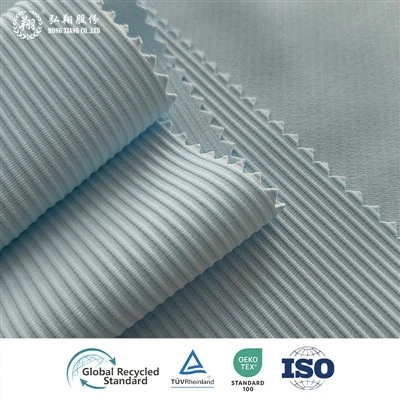
Specialty fabrics, often lauded for their unique properties and applications, have carved a niche in various industries. As a supplier of specialty fabrics, I’ve witnessed firsthand the allure these materials hold for designers, manufacturers, and end – users alike. However, like any product, specialty fabrics come with their own set of disadvantages. In this blog, I’ll delve into some of the drawbacks associated with specialty fabrics, which are important to consider when making purchasing decisions. Specialty Fabric
High Cost
One of the most significant disadvantages of specialty fabrics is their high cost. The production of specialty fabrics involves complex processes and the use of high – end raw materials. For example, fabrics with advanced moisture – wicking properties often use specialized synthetic fibers that are more expensive to produce than traditional cotton. These fibers are engineered at a molecular level to have enhanced performance capabilities, which drives up the manufacturing cost.
Moreover, the research and development required to create these innovative fabrics are extensive. Manufacturers invest significant resources in testing different fiber blends, treatments, and weaving techniques to achieve the desired specialty features. This investment is then passed on to the consumer in the form of higher prices. As a supplier, I understand that the high cost can be a major deterrent for some customers, especially those on a tight budget. Small – scale businesses or individual consumers may find it difficult to afford specialty fabrics for their projects, which limits their market reach.
Limited Availability
Specialty fabrics are not as readily available as standard fabrics. Since they are designed for specific applications, the production volume is often lower. Manufacturers focus on meeting the demands of niche markets, which means that there may be limited quantities of these fabrics in stock at any given time.
For instance, flame – retardant fabrics used in the aerospace or military industries are produced in relatively small batches to meet strict industry standards. This limited availability can cause delays in projects. If a designer or manufacturer needs a specific specialty fabric for a time – sensitive project, they may have to wait for the production cycle to be completed or find an alternative fabric, which may not have the exact same properties.
In addition, the supply chain for specialty fabrics can be more complex. There may be few suppliers of the raw materials or specialized equipment needed to produce these fabrics. Any disruptions in the supply chain, such as natural disasters, political unrest, or labor strikes, can further exacerbate the problem of limited availability.
Difficulties in Maintenance
Specialty fabrics often require special care and maintenance. Fabrics with water – repellent or stain – resistant coatings, for example, need to be cleaned in a specific way to preserve their functionality. Using the wrong cleaning agents or methods can damage the coating and reduce the fabric’s performance.
Some high – performance specialty fabrics, such as those used in sportswear or outdoor gear, are designed to withstand extreme conditions. However, this also means that they can be more difficult to clean and maintain at home. For example, fabrics with antibacterial properties may require special detergents that are not commonly available in regular stores.
As a supplier, I’ve received numerous inquiries from customers about the proper maintenance of specialty fabrics. The complexity of the maintenance instructions can be a turn – off for some consumers. They may prefer to choose standard fabrics that are easier to care for, even if it means sacrificing some of the specialty features.
Compatibility Issues
Another challenge with specialty fabrics is compatibility with other materials. In many applications, specialty fabrics need to be combined with other components, such as zippers, buttons, or adhesives. However, the unique properties of specialty fabrics can sometimes cause problems when trying to integrate them with other materials.
For example, some specialty fabrics may have a low melting point, which can make it difficult to use heat – based bonding methods. When attaching a zipper to a fabric with a low melting point, the heat from the bonding process can damage the fabric, resulting in a poor – quality finished product.
In addition, the chemical composition of specialty fabrics may react with certain adhesives or dyes. This can lead to discoloration, weakening of the fabric, or other performance issues. Designers and manufacturers need to conduct thorough compatibility tests before using specialty fabrics in their products, which adds time and cost to the production process.
Environmental Concerns
While some specialty fabrics are designed to be environmentally friendly, many others raise significant environmental concerns. The production of specialty fabrics often involves the use of chemicals and energy – intensive processes. For example, the production of synthetic specialty fabrics requires large amounts of fossil fuels and generates a significant amount of greenhouse gas emissions.
The disposal of specialty fabrics can also be a problem. Some specialty fabrics are not biodegradable, which means that they will remain in landfills for a long time. In addition, the specialized coatings and treatments on these fabrics can make them difficult to recycle.
As a supplier, I’m increasingly aware of the growing demand for sustainable products. However, the environmental drawbacks of many specialty fabrics can be a barrier to meeting this demand. Customers who are environmentally conscious may be hesitant to purchase specialty fabrics due to their negative impact on the environment.
Technical Knowledge Requirements
Working with specialty fabrics requires a certain level of technical knowledge. Designers and manufacturers need to understand the unique properties of these fabrics in order to use them effectively. For example, they need to know how the fabric will behave under different conditions, such as changes in temperature, humidity, or stress.
Without the proper technical knowledge, it’s easy to make mistakes when using specialty fabrics. For instance, cutting a fabric with a high – stretch property at the wrong angle can cause the fabric to stretch unevenly, resulting in a poorly fitting garment. Similarly, using a specialty fabric in an application where it’s not suitable can lead to premature failure of the product.
As a supplier, I’ve found that many customers lack the necessary technical knowledge to work with specialty fabrics. This can lead to customer dissatisfaction and returns. To address this issue, I often provide technical support and training to my customers, but this also adds to the overall cost of doing business.
Conclusion
Despite the many advantages that specialty fabrics offer, there are several significant disadvantages that need to be considered. The high cost, limited availability, difficulties in maintenance, compatibility issues, environmental concerns, and technical knowledge requirements can all pose challenges for designers, manufacturers, and end – users.
However, this doesn’t mean that specialty fabrics should be avoided. In fact, for many applications, the benefits of specialty fabrics far outweigh the drawbacks. The key is to carefully evaluate the specific needs of a project and weigh the pros and cons before choosing a specialty fabric.
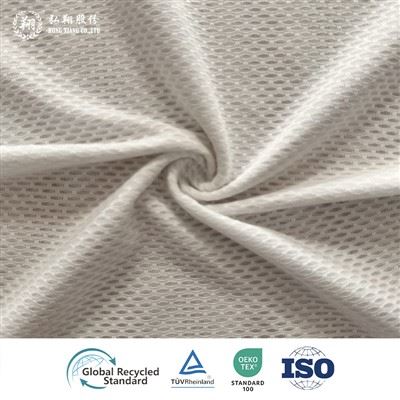
Jacquard Knitted Fabric If you’re interested in learning more about specialty fabrics and how they can be used in your projects, I’d be more than happy to assist you. Whether you’re a designer looking for the perfect fabric for your next collection or a manufacturer in need of high – performance materials, I can provide you with the knowledge and products you need. Feel free to reach out for a consultation and let’s explore the possibilities of working with specialty fabrics together.
References
- "Textile Science: Fundamentals and Advances" by Josephine W. G. Chang
- "Handbook of Technical Textiles" edited by Subhash Anand, Shahida Khilji, and Bahar Senol
- Industry reports on specialty fabrics from leading market research firms.
Zhejiang Hongxiang Textile Technology Co., Ltd.
Zhejiang Hongxiang Textile Technology Co., Ltd. is one of the most professional specialty fabric manufacturers and suppliers in China. With abundant experience, we warmly welcome you to wholesale custom made specialty fabric from our factory. If you have any enquiry about cooperation, please feel free to email us.
Address: No. 8, 12th Road, Warp Weaving Park, Maqiao Street, Haining City, Jiaxing City, Zhejiang Province
E-mail: gd@hongxiang888.cn
WebSite: https://www.h-xiang.com/
